TARANGIRE · TANZANIA
Where the elephants roam
Ancient baobabs. The largest elephant herds in East Africa. A river that draws the whole savanna to drink. Tarangire rewards those who look beyond the famous parks.
15+ years operating | Tanzanian Owned & Led | TALA Licensed | 27+ countries represented

BEST VISITEDYear-round · June - Nov
|

PARK AREA2,850 km sq
|

LOCATION~2 hrs from Arusha
|

ECOSYSTEMSavanna & riverine forest
|

WILDLIFE400+ recorded
[ OVERVIEW ]
Africa’s greatest elephant gathering
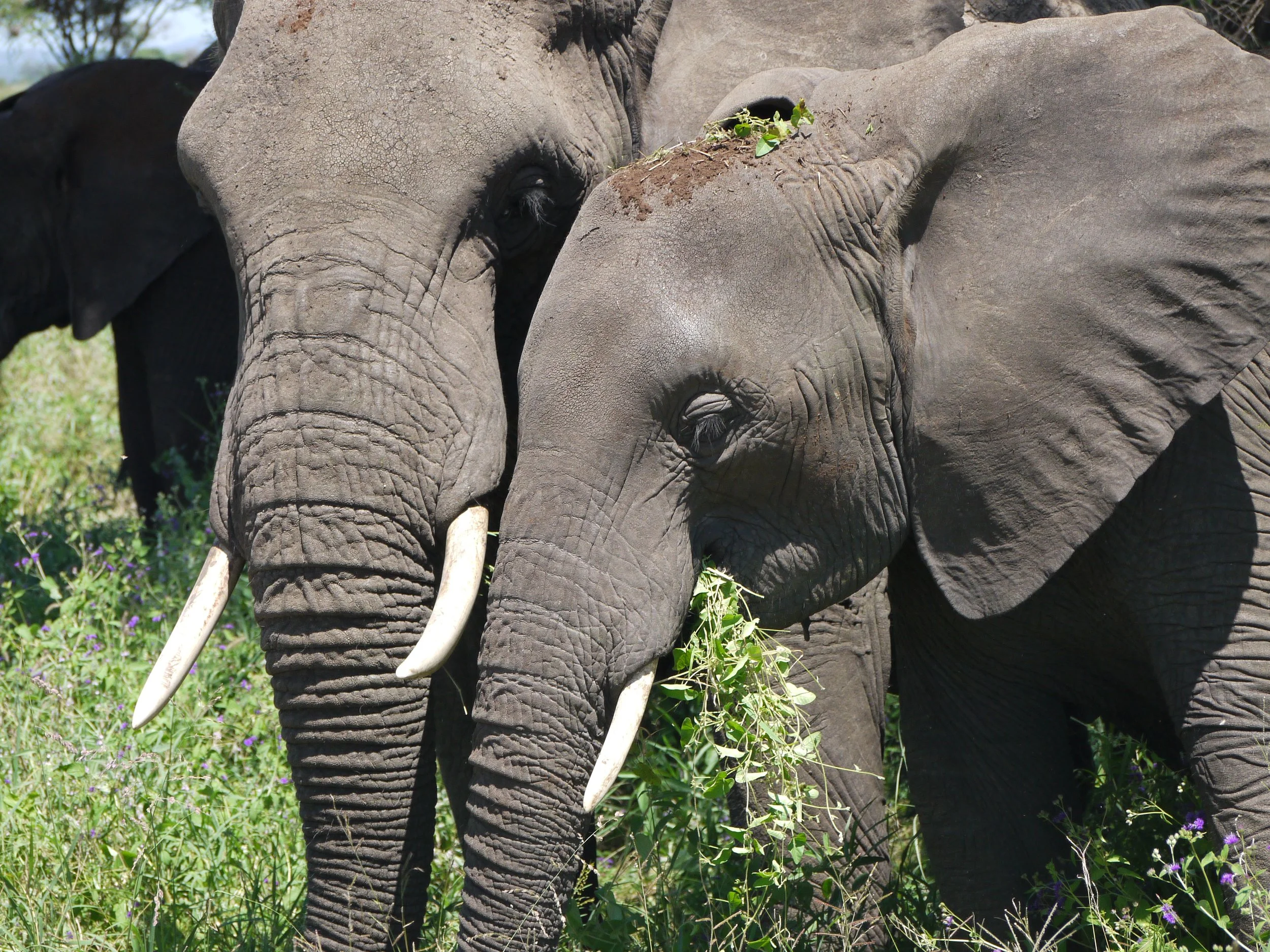
While Serengeti migration season draws the crowds north, Tarangire quietly delivers some of the most rewarding wildlife viewing in East Africa. In the dry months between June and October, animals converge on the Tarangire River from across the surrounding landscape — the only permanent water source for hundreds of kilometres. Concentrations of elephant here are extraordinary, sometimes exceeding a thousand individuals in a single day's drive.
But it is the landscape itself that sets Tarangire apart. Ancient baobab trees — some estimated at over a thousand years old — rise from the golden grass like prehistoric monuments. Their vast, bottle-shaped trunks hold water through the harshest dry season. Pythons coil in the branches. Elephants strip the bark to drink the moisture within. This is a park where the trees are as much a part of the story as the animals.
"The elephants here move differently — calmer, more deliberate. When you spend time with a herd in Tarangire, you understand why guides who know all of Tanzania's parks consider it the finest elephant experience in the country."
Tarangire sits at the southern end of the Tarangire-Manyara ecosystem, one of the most biologically diverse wildlife corridors in Africa. Its relative lack of international fame means fewer vehicles, longer sightings, and the rare sense that you have encountered something genuinely your own.
For guests combining Tarangire with Ngorongoro and the Serengeti, it serves as both a magnificent introduction and a peaceful counterpoint — the unhurried, ancient Africa that the famous parks sometimes cannot offer. Many travelers who visit once make it a non-negotiable on every return.
[ WHAT MAKES IT DIFFERENT ]
Three things Tarangire does unlike anywhere else
The elephant herds that define a season
No park in Tanzania — and few in Africa — concentrates elephants the way Tarangire does in the dry season. As the surrounding landscape dries, herds converge on the Tarangire River from across the ecosystem: sometimes hundreds in a single morning, moving with a calm that only comes from generations of protection. It is less a sighting than a sustained encounter.
A landscape that is itself the spectacle
Ancient baobab trees — some over a thousand years old — rise from the golden grass at a scale that changes how you read the savanna. Pythons coil in the branches. Elephants strip the bark for moisture. The baobab is not backdrop here; it is participant. Tarangire is the only park in Tanzania's northern circuit where the landscape competes with the animals for your attention.
East Africa's most underrated birding destination
With over 550 recorded species, Tarangire ranks among Tanzania's finest birding parks — yet it remains largely unknown to dedicated birders who focus on the Rift Valley lakes. The yellow-collared lovebird, ashy starling, and red-and-yellow barbet are park endemics. For guests who notice birds, Tarangire quietly doubles the value of every game drive. 
What you’ll find in Tarangire
These six species and encounters define a Tarangire safari. Each one thrives here in ways you won't find replicated elsewhere in Tanzania's northern circuit.

African elephant
Tarangire holds the highest elephant density in Tanzania. Dry-season herds of 50 to 300 individuals gather along the river, and the park's elephants are among the most relaxed in Africa — generations of protection have made them genuinely habituated to vehicles. This is where you linger with a herd, not pass through one.
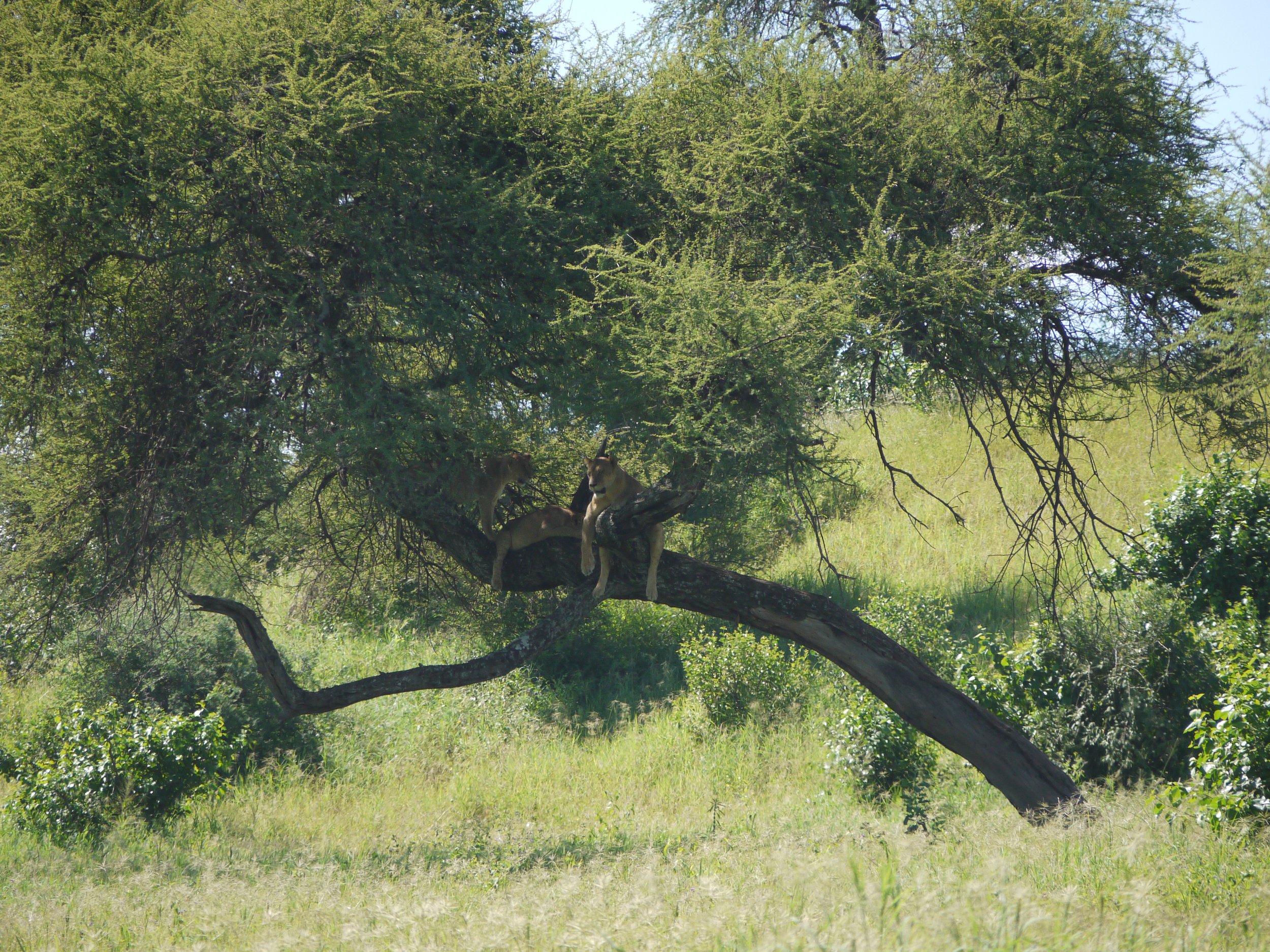
Lion
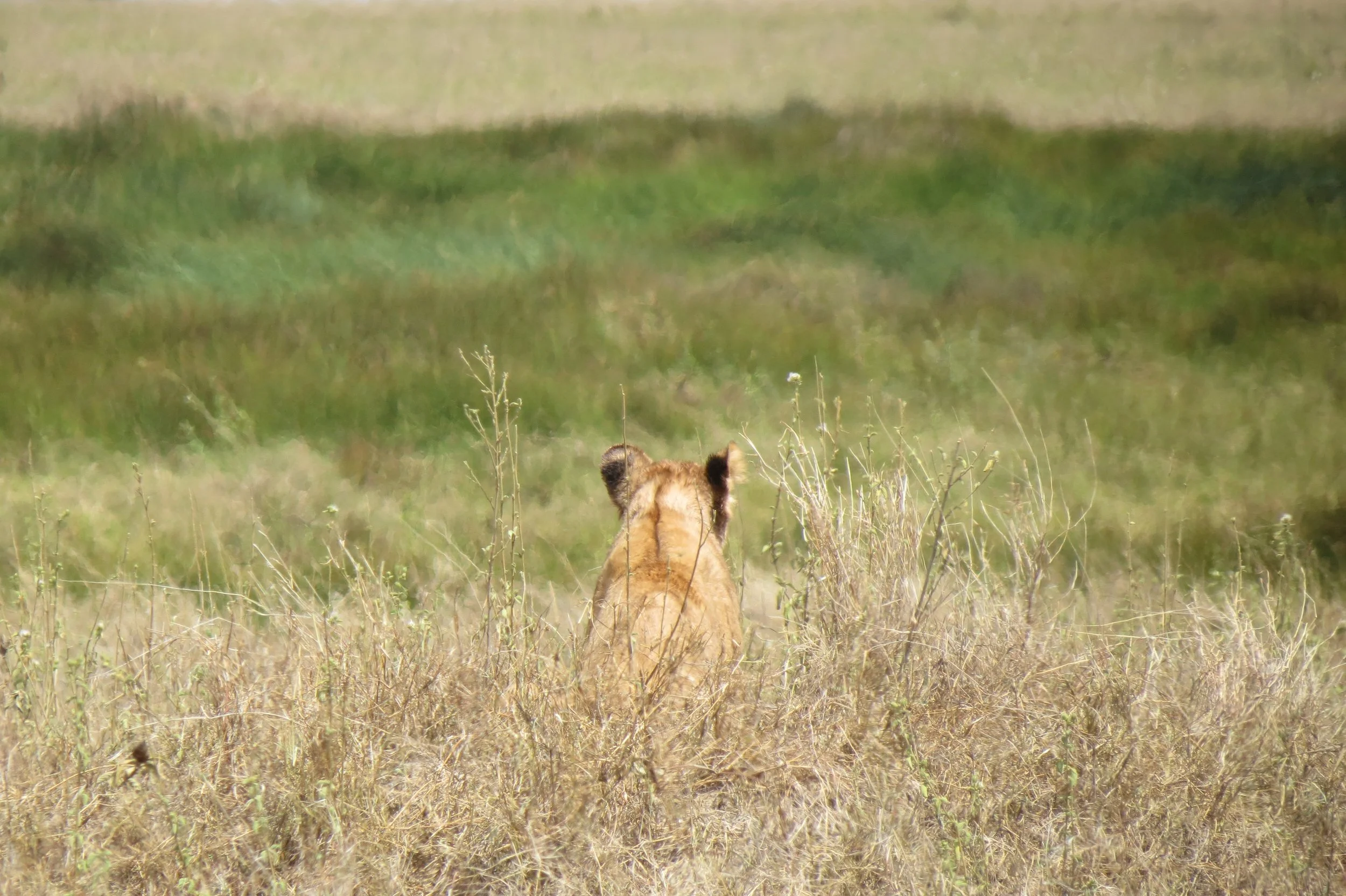
Tarangire's prides are often found resting in the shade of baobab trees during the midday heat — a scene that belongs on no other park's postcard. Tree-climbing behaviour has been observed in some individuals, echoing the famous tree-climbing lions of Lake Manyara to the north.
Rock python
Africa's largest snake is a genuine Tarangire speciality. Pythons are regularly spotted coiled in the branches or at the base of baobab trees, particularly near the riverbanks. Seeing one draped across ancient bark is an image that stays with visitors for years — and one most other parks in Tanzania simply cannot offer.
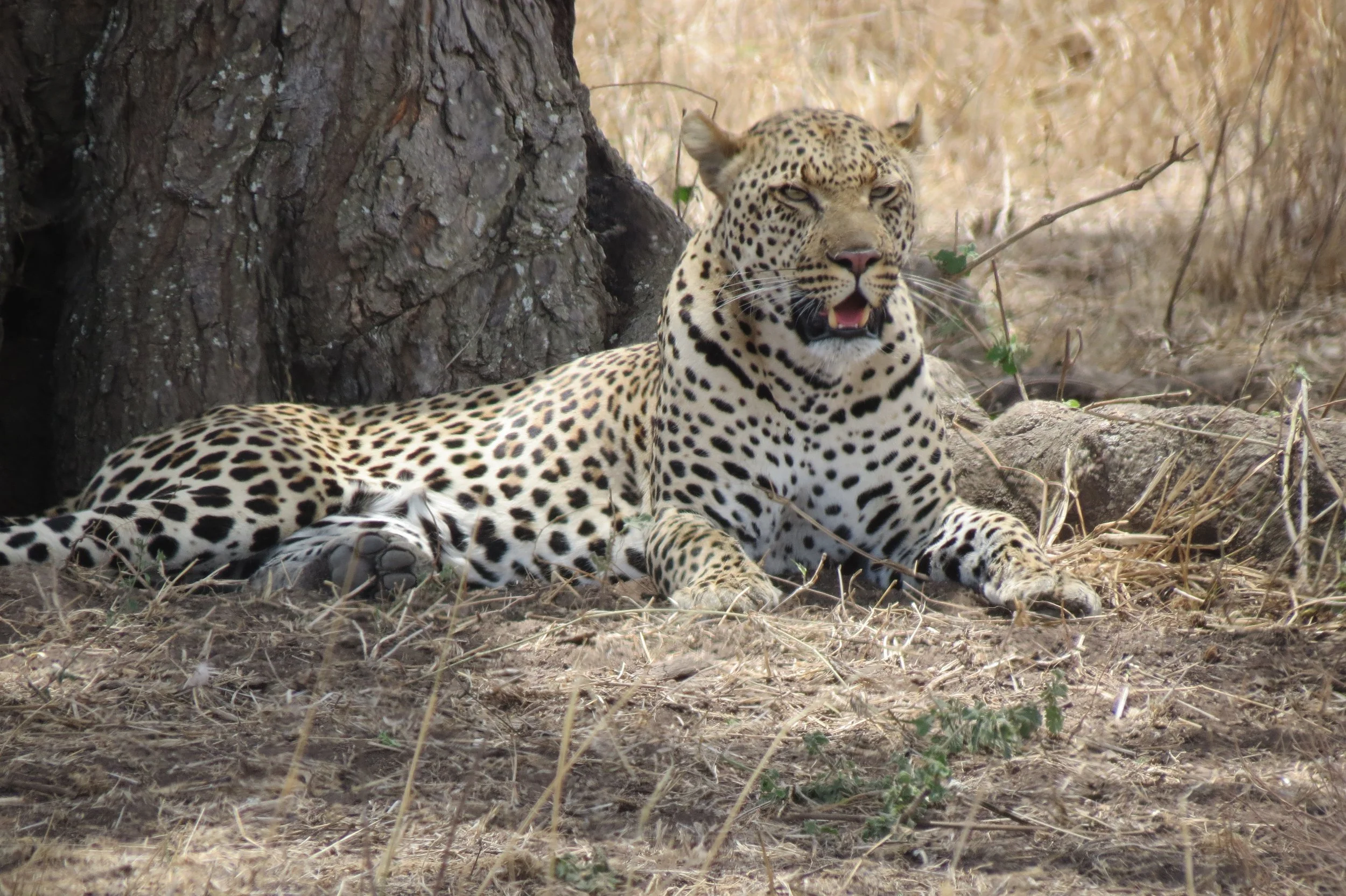
Leopard
Tarangire's dense riverine forest and tall acacia thickets provide ideal leopard habitat. Sightings are more common here than in open-plain parks, particularly in the early morning when leopards descend from their daytime resting spots to hunt along the river corridor.
Warthog
Warthogs are a near-constant presence on the open grasslands, trotting with their tails held perfectly upright and dropping to their knees to graze. Family groups move in tight, purposeful clusters, and the sight of a sounder disappearing into a burrow at dusk, rumps first, is one of those small Tarangire moments that guests remember long after the big sightings fade.
550+ bird species
Tarangire is one of Tanzania's premier birding destinations. The yellow-collared lovebird, ashy starling, and red-and-yellow barbet are park endemics. Vast flocks of superb and violet-backed starlings, the extraordinary lilac-breasted roller, and martial eagles nesting in baobab crowns are among the most celebrated sightings.[ BEST TIME TO VISIT ]
Tarangire through the seasons
Every season in Tarangire offers something worth travelling for. The experience changes in character — and we'll give you an honest picture of what to expect in your travel window.
JUNE - OCTOBER
Peak Wildlife Viewing
Peak season — and for good reason. As water dries across the landscape, animals funnel toward the Tarangire River. Elephant concentrations reach their peak. Clear skies, sparse vegetation, and excellent photography conditions. This is the definitive Tarangire experience. Book lodges early; availability goes quickly.
NOVEMBER - DECEMBER
Short Rains
The park turns green almost overnight. Migratory animals return from the south, and newborn wildebeest and zebra calves appear in the grass. Significantly lower visitor numbers and lodge rates, with reliable dry windows between showers. One of the best times for birders, as migratory species arrive in large numbers.
JANUARY - FEBRUARY
Warm Dry Interlude
A brief dry spell between the two rain seasons, with temperatures at their highest. Wildlife viewing improves as the land dries and animals concentrate around permanent water again. Quieter than peak season with reasonable lodge prices — a solid choice for travelers whose dates don't align with June–October.
Traveling in a specific month? We can advise on including this destination in your safari —>
Safaris that include Tarangire
Every itinerary below gives you meaningful time in Tarangire — not a quick half-day stop. These are starting points; each one is designed around your travel style, dates, and budget.
Into the Wild 5 Days
Classic Wildlife Safari 7 Days
Signature Explorations 8-9 Days
Custom Safari Any Duration
[ FAQs ]
Questions About a Tarangire Safari
-
Most experienced Tanzania travelers would say Tarangire is essential, not optional. It offers something neither of the other parks can replicate: the baobab landscape, the extraordinary elephant density, and an atmosphere of quiet discovery that the more famous parks struggle to offer at peak season. Many of our guests who initially planned to skip Tarangire come away saying it was the highlight of their trip. We'd always encourage you to include it.
-
A minimum of one full day, though two is significantly better. With one day you'll have a strong game drive and genuinely encounter the landscape. With two, you have time to explore different areas of the park — the northern baobab zones, the river floodplains, the remote Silale swamp — and to sit with an elephant herd at length rather than passing through. For wildlife photographers or anyone focused primarily on elephants, three days in Tarangire alone is not unusual.
-
There is a range of options from permanent tented camps within the park boundary — where you fall asleep listening to elephants moving nearby — to well-appointed lodges just outside the gate. We work with properties across both mid-range and luxury tiers, selected for location, quality, and genuine hospitality. We'll recommend the right fit when we discuss your itinerary and travel style.
-
The Serengeti is defined by open grass plains and the drama of the migration. Tarangire is defined by its river, its ancient trees, and its elephant herds. Tarangire also has significantly fewer vehicles, particularly outside the peak months of July to September, which means longer sightings and a more intimate atmosphere. The two parks complement each other well — and the most satisfying Tanzania safaris include both.
-
Night game drives are not permitted within the main Tarangire National Park. However, several private conservancies bordering the park do allow night drives and guided bush walks — activities that give access to nocturnal species rarely seen inside the park boundary. These can be incorporated into your itinerary if you stay at a lodge with access to conservancy land. Tell us if this interests you and we'll factor it into the design of your trip.
Ready to plan your Tarangire safari?
Tell us your travel dates, what draws you to Tarangire, and how you like to travel. We’ll give you an honest assessment of the season and design and itinerary that makes the most of it.
Your details are never shared. You’re engaging with a real person from the Misele Team who knows Tanzania safaris extensively. We will reply within 24 hours.