SERENGETI · TANZANIA
Two million animals. One endless horizon.
A Serengeti safari in Tanzania is unlike anywhere else. We design yours around the season, the Great Migration, and the moments that can’t be scheduled.
15+ years operating | Tanzanian Owned & Led | TALA Licensed | 27+ countries represented

BEST VISITEDYear-round · Peak Jul-Oct
|

PARK AREAYear-round · Peak Jul-Oct
|

LOCATION4-5 hrs from Arusha
|

STATUSYear-round · Peak Jul-Oct
|

WILDLIFE2 million+ animals resident
[ OVERVIEW ]
Where the wild world still moves on its own terms.
Siringet. In the language of the Maasai, it means "the plain that has no beginning and no end" — and standing at the edge of it, you understand immediately why.
A Serengeti safari in Tanzania puts you inside one of the oldest and largest ecosystems on Earth: 30,000 square kilometers of open savanna, granite kopjes, and river corridors that have remained largely unchanged for over a million years. There is no zoo effect here, no curated distance. The landscape simply absorbs you.
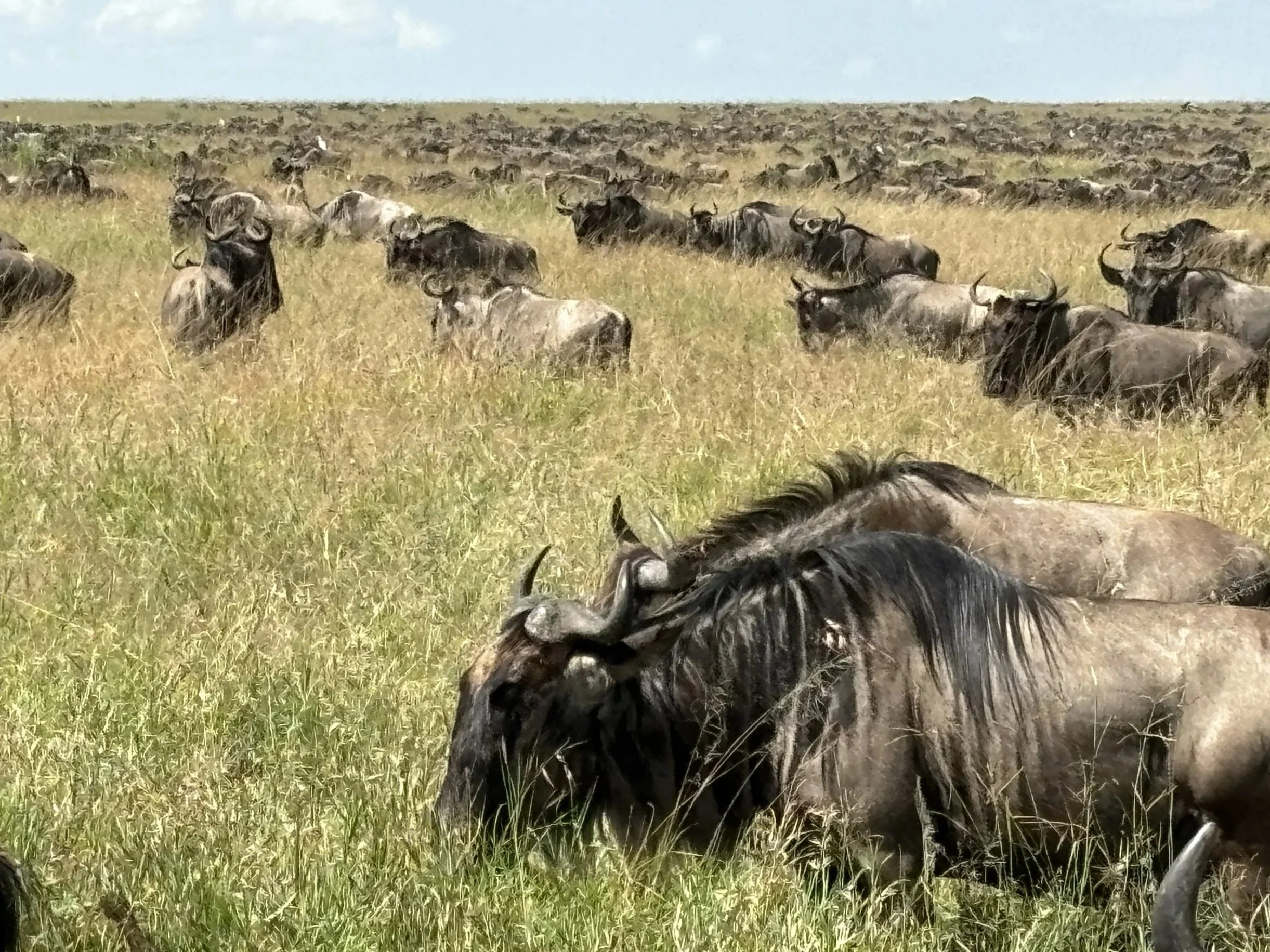
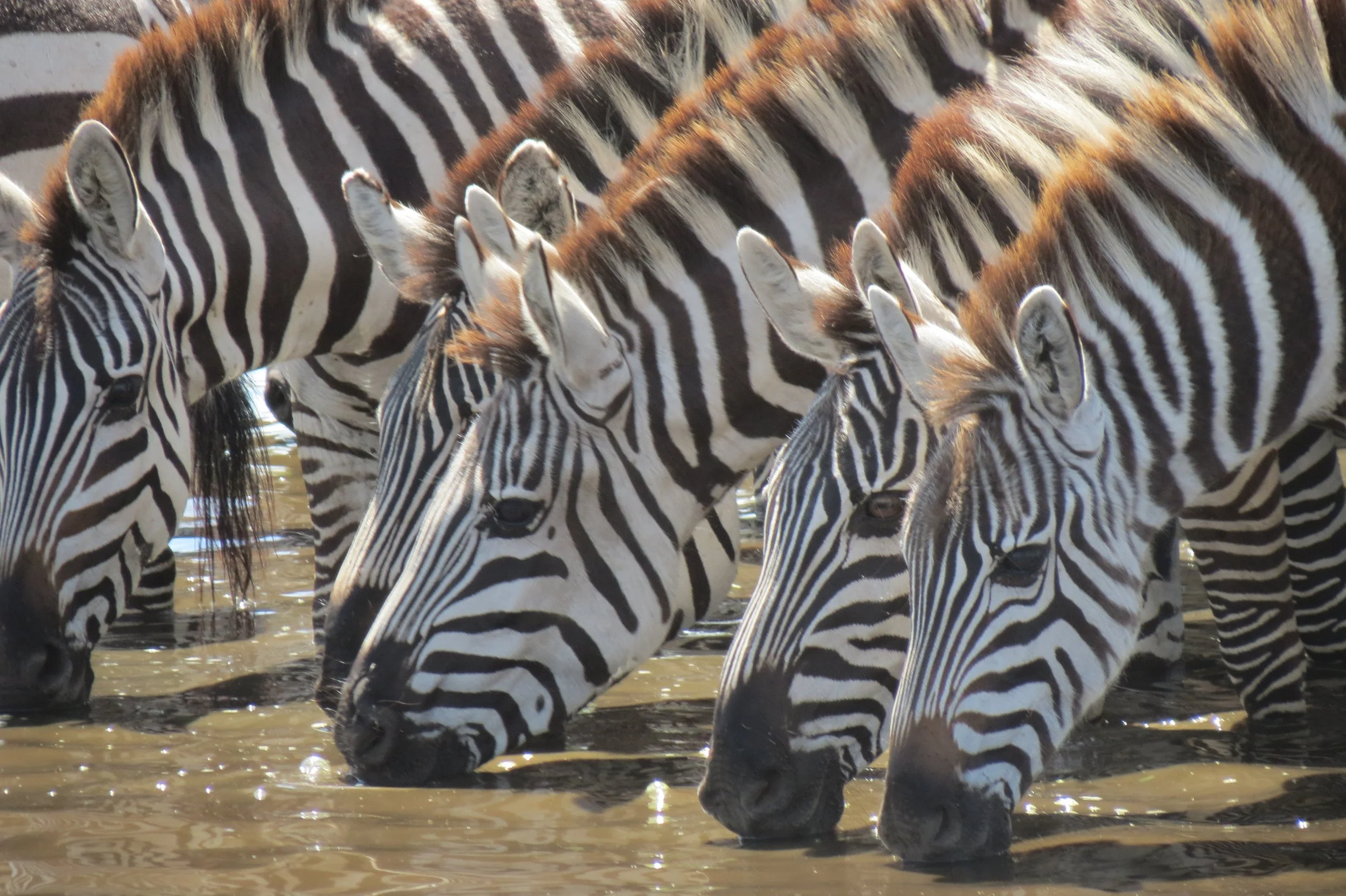
The Serengeti spans northern Tanzania into the Maasai Mara of Kenya, forming a single, unbroken wildlife corridor that sustains the greatest animal migration on the planet. Every year, close to two million wildebeest, zebra, and Thomson's gazelle move in a continuous loop following rain and new grass through the southern plains, across the crocodile-filled Grumeti River, and north toward the Mara.
The park's varied terrain — short-grass plains in the south where cheetahs hunt in the open, acacia woodland along the Seronera River valley where leopards rest in the branches, and the rocky kopjes that shelter lions and rock hyrax alike — means no two safaris here look the same. Over 500 bird species occupy the grasslands, rivers, and hills, making the Serengeti equally rewarding for those who travel with binoculars as well as cameras.
We have been guiding Serengeti safaris from our base in Arusha for over 15 years. That proximity matters: our guides know the seasonal rhythms of this park intimately — which river crossing points are most active in July, where the cheetah families are denning, when to arrive at the kopjes for the best morning light. If you're planning a Tanzania safari and the Serengeti is on your list, we'd love to help you design the version of it that fits how you travel. Browse our Serengeti itineraries, or start a conversation with us directly.
[ WHAT SETS IT APART ]
Four things that exist nowhere else on Earth
01
No other migration comes close. Close to two million wildebeest, zebra, and gazelle move in a continuous year-round loop across the Serengeti-Mara ecosystem. The river crossings of July through October — vast herds plunging into the crocodile-filled Mara River — are the scenes that defined wildlife filmmaking. Nothing else on the planet produces them at this scale.
Scale of the Great Migration
02
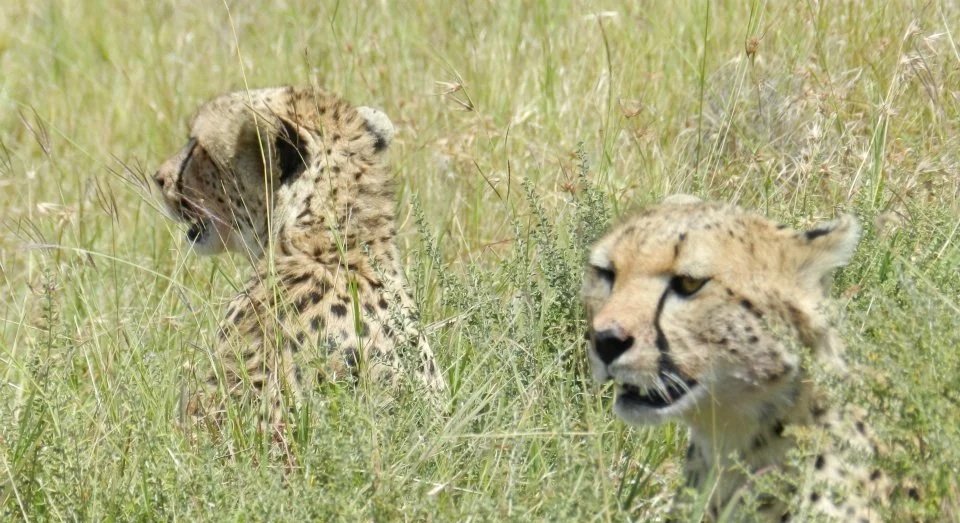
The Serengeti's short-grass plains offer the best cheetah viewing in the world. Not because density is highest here, but because the terrain gives you the whole sequence. No trees, no bush. You watch the stalk, the acceleration to 110km/h, the outcome — in full view, and up close
Cheetah on open ground
03
Most travelers book for the migration. Few know that January and February bring something equally extraordinary: calving season on the Ndutu plains, when half a million wildebeest calves are born in weeks. Predator activity peaks. The light is remarkable. And almost nobody is there.
Two completely different seasons
04
At 14,763 km² — roughly the size of Northern Ireland — the Serengeti is large enough that a well-designed itinerary finds solitude even in peak season. A guide who knows which zones to use, and when, can keep you away from every other vehicle. That's what private guiding inside a park this size makes possible.
Space enough to feel the wilderness
[ WILDLIFE HIGHLIGHTS ]What you’ll likely encounter on a Serengeti safari
Wildebeest
The great migration is the defining event of the Serengeti ecosystem — close to two million wildebeest, zebra, and Thomson's gazelle moving in a continuous loop that follows rain and new grass. The river crossings of July through October, when herds plunge into the crocodile-filled Mara in the northern Serengeti, are among the most dramatic wildlife spectacles on Earth. Calving season on the southern plains in January and February offers an entirely different — and equally extraordinary — encounter.
Lion
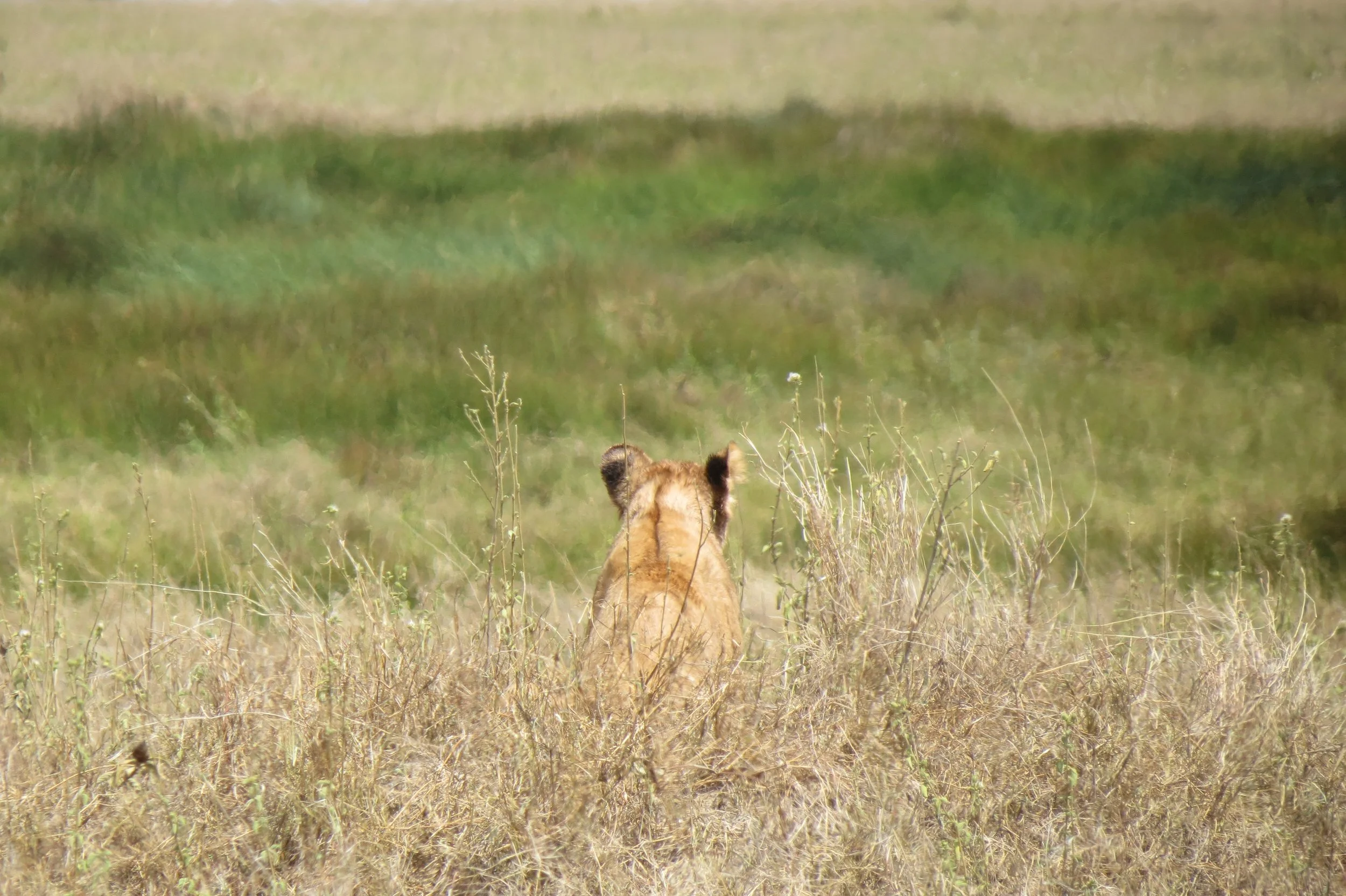
The Serengeti supports one of the largest lion populations in Africa, spread across multiple resident prides with well-established territories on the open plains. The Seronera valley and the kopje-dotted central Serengeti are particularly reliable areas for sightings, where prides use rocky outcrops as vantage points and shaded resting spots. Early morning game drives — before the heat of the day — offer the best chance of watching lions active and on the hunt.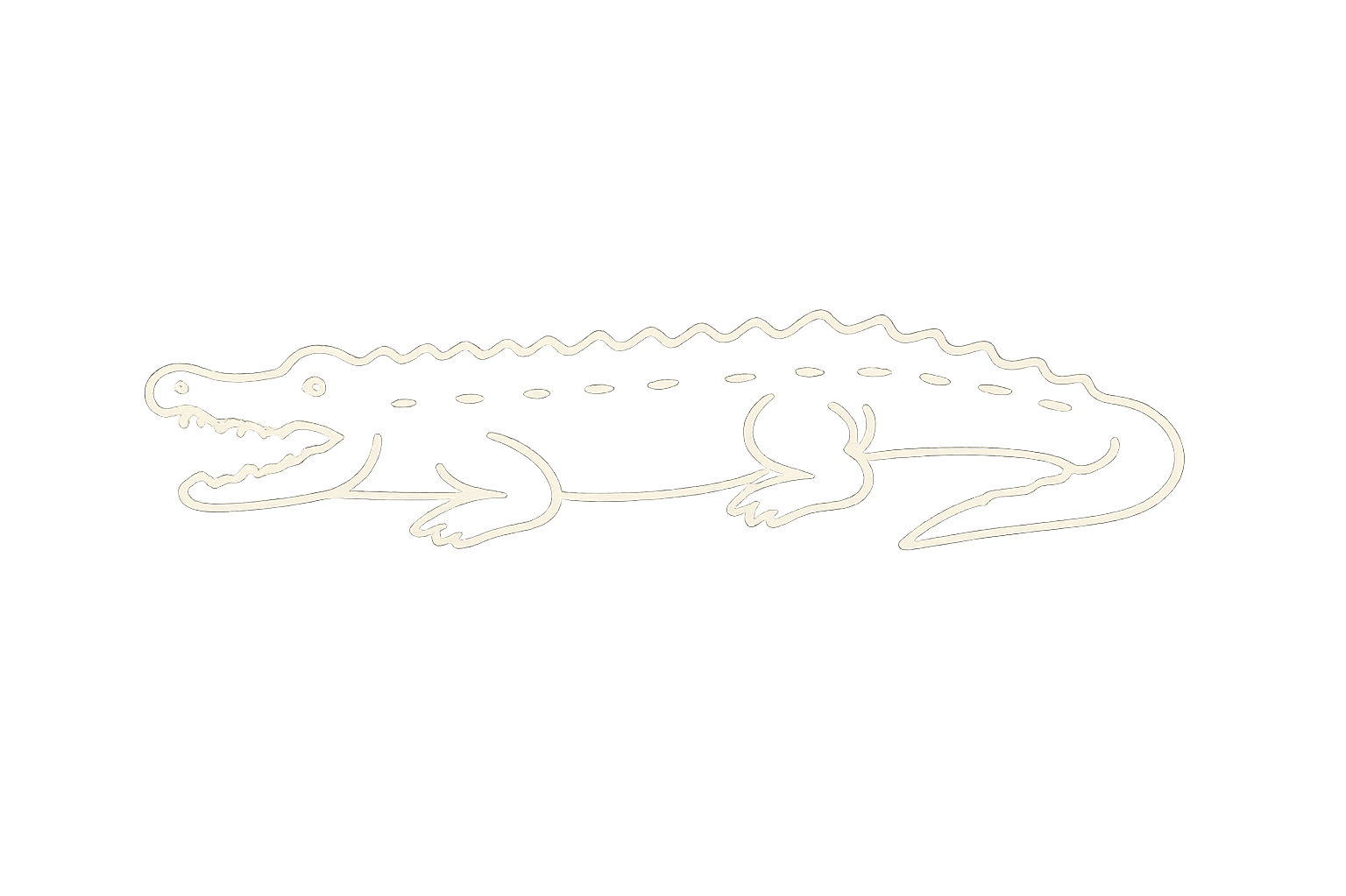
Nile crocodile
During the migration season, Nile crocodiles congregate at the Mara River crossing points in remarkable numbers — some individuals exceed five metres in length and have patrolled the same stretch of river for decades. Watching a crossing from the riverbank is one of the most visceral experiences the Serengeti offers: chaos, survival, and scale happening simultaneously and at close range. Outside of migration season, crocodiles are present year-round in the Grumeti River in the western corridor.
Leopard
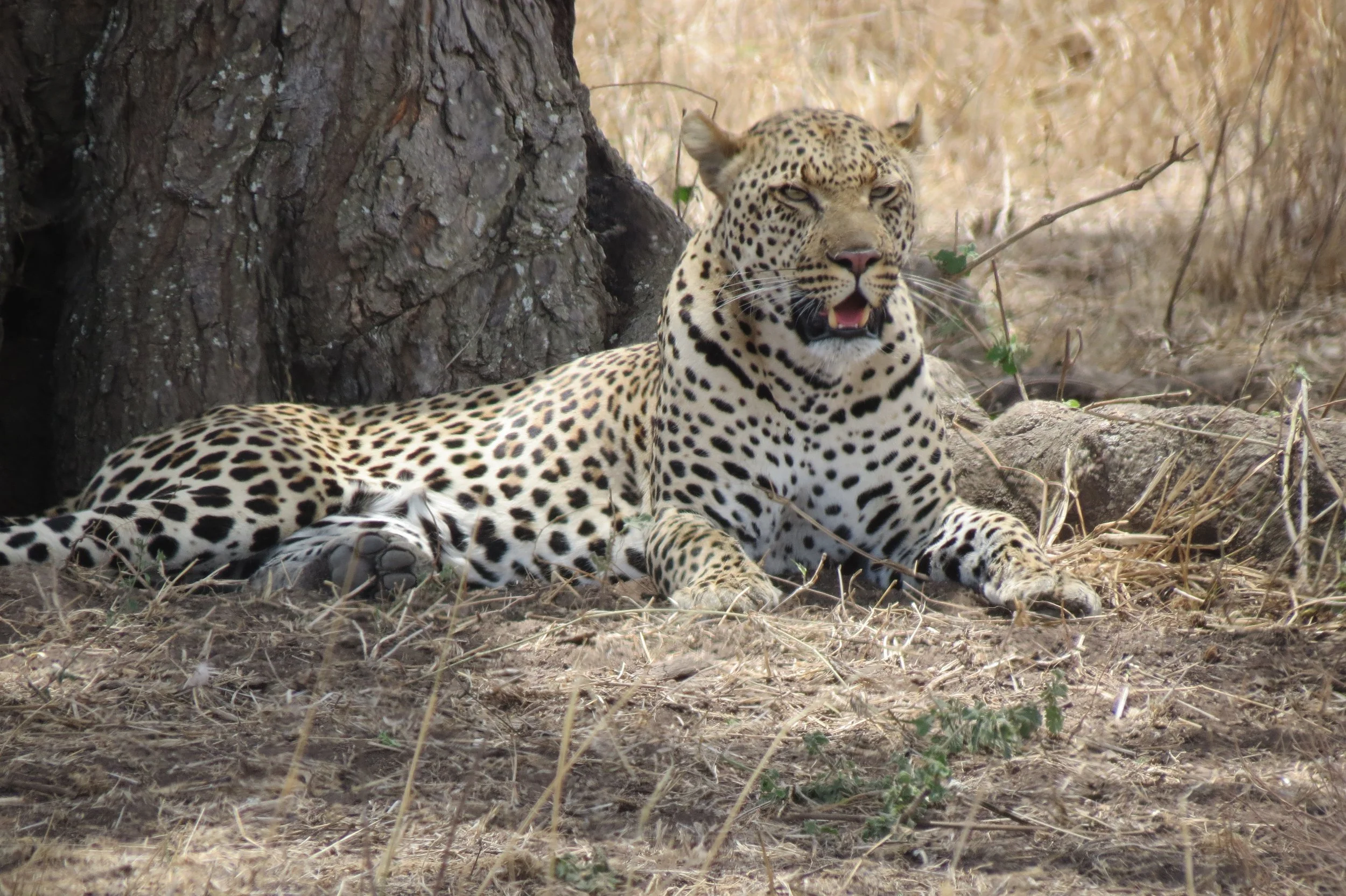
Leopards are solitary and largely nocturnal, which makes a clear sighting feel genuinely earned. The Seronera River valley is among the best places in East Africa to find them — the acacia and sausage trees along the river provide ideal resting spots, and resident individuals in this area have become reasonably habituated to vehicles over years of observation. A guide who knows which trees to check at which time of day makes an enormous difference here.
African wild dog
Wild dogs are the rarest of Africa's large predators and one of the most sought-after sightings on any Tanzania safari. The Serengeti's wide-ranging packs cover enormous distances, which makes them unpredictable — but when found, they offer some of the most exciting predator behaviour in the bush. Denning season between May and July anchors packs to a specific location, making sightings more reliable during that window. Your guide's knowledge of current pack movements is the key variable.
Cheetah
The Serengeti's open short-grass plains make it one of the best places in the world to watch cheetahs hunt — the flat, unobstructed terrain means you can follow an entire chase sequence from start to finish. The southern Serengeti and the Ndutu area hold particularly high cheetah densities, and resident coalition males are often sighted on termite mounds using the elevation to scan for prey. The Serengeti has one of the highest cheetah concentrations on the continent.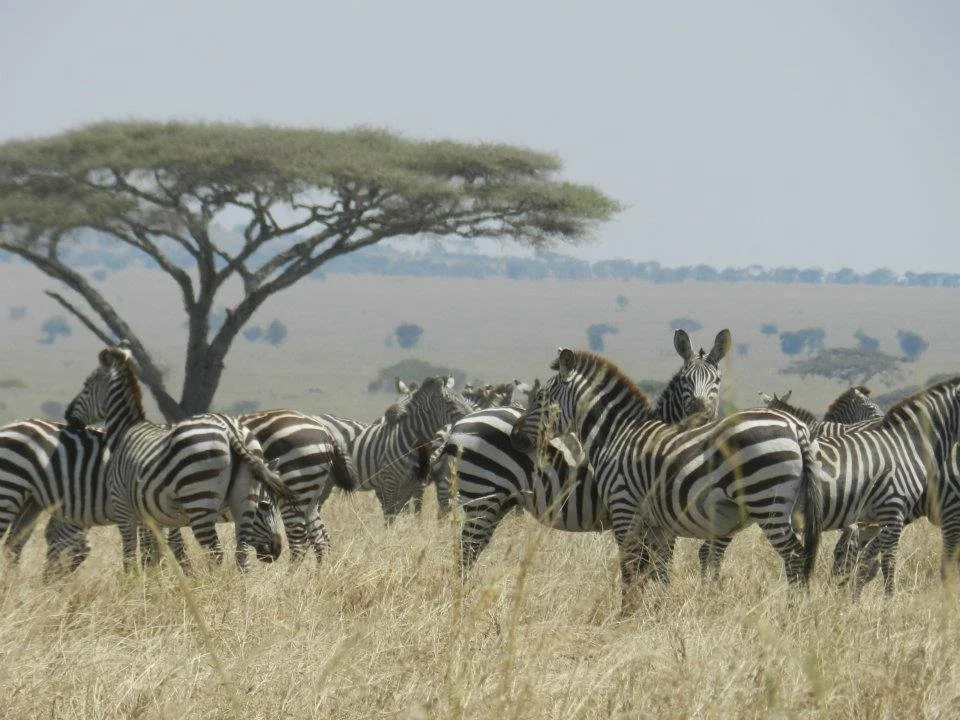
[ BEST TIME TO VISIT ]
When to visit the Serengeti
Peak season
Dry season · July - Oct
Peak game viewing. Sparse vegetation makes animals easy to spot. Migration crossings in the northern Serengeti (July–Sept). Higher prices and more visitors — book well ahead.
Green Season · March - May
Lowest prices of the year. Lush, vivid landscapes and exceptional birding. Some roads can be challenging. Great for photographers who want dramatic skies and uncrowded parks.
Short Rains · November - December
Excellent big-cat sightings and calving season in the southern Serengeti. Fewer crowds and slightly lower prices than peak season. Good photography light.
Best value
Short dry season · Jan - Feb
Brief afternoon rains only. Good value, good wildlife, and a quieter atmosphere. An underrated time to visit — many experienced safari travelers prefer it.
Traveling in a specific month? We can advise on the best version of this safari —>
Safaris that include the Serengeti
There are the Serengeti safari itineraries we return to most often, each one designed for a different pace and version of the Serengeti.
Into the Wild 5 Days
Classic Wildlife Safari 7 Days
Signature Explorations 8-9 Days
Custom Safari Any Duration
Ready to experience the Serengeti?
No commitment. You’re engaging with a real person from the Misele Team who knows Tanzania safaris extensively. We will reply within 24 hours.
Your details are never shared. We respond personally, usually within a few hours.