NGORONGORO CONSERVATION AREA · TANZANIA
The Crater at the Edge of Time
Three million years ago, a volcano taller than Kilimanjaro exploded and collapsed into itself. What it left behind is one of Africa's most extraordinary wildlife sanctuaries — and one of the greatest animal-viewing experiences on Earth.
15+ years operating | Tanzanian Owned & Led | TALA Licensed | 27+ countries represented

BEST VISITEDYear-round · Peak Jul-Oct
|

PARK AREA260 km sq · 610 m deep
|

LOCATION3 hrs from Arusha
|

STATUSUNESCO Heritage Site
|

WILDLIFE25,000+ animals resident
[ OVERVIEW ]
A world contained within a world
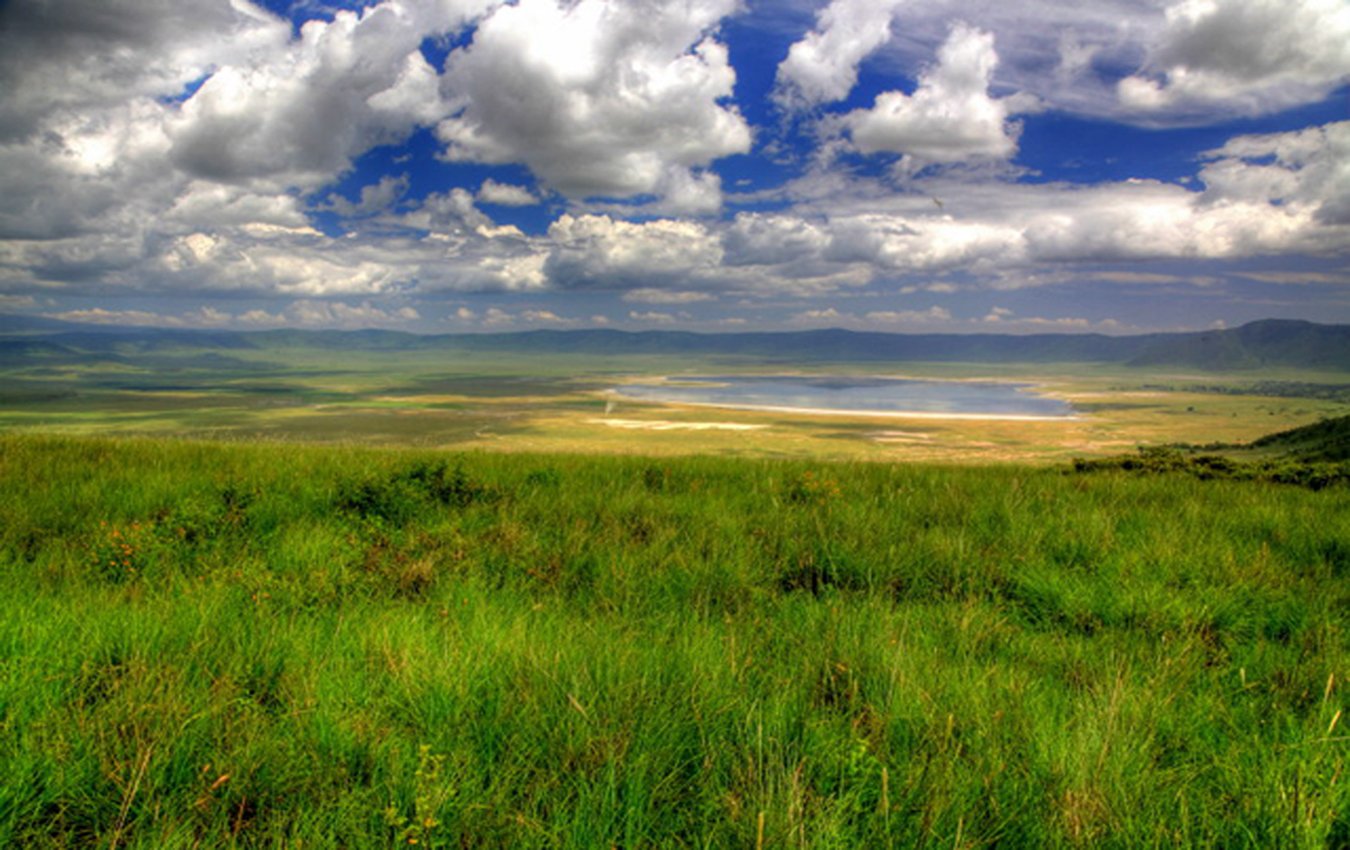
The Ngorongoro Crater is the world's largest intact volcanic caldera still inhabited by wildlife — a self-contained ecosystem unlike anywhere else on Earth. Its walls form a natural enclosure that keeps an extraordinary density of animals within its 260 square kilometres year-round.
Unlike the Serengeti, where game follows the migration, the crater holds its population resident. Lions, elephants, hippos, hyenas, wildebeest, zebra, flamingo are here in every season. And somewhere among the yellow acacia stands near the crater floor, in numbers that dwindle with each generation, the endangered black rhinoceros still walks at dawn.
There is nowhere else where you descend into a landscape and find the world entire — compressed, abundant, and impossibly alive.
The Ngorongoro Conservation Area also encompasses Oldupai Gorge (the 'Cradle of Mankind'), where some of the earliest evidence of human life was discovered, and the walking crater landscapes of Empakai and Olmoti. A visit here is both a wildlife safari and a journey to the origins of our species.
What You’ll Encounter
The crater floor supports one of Africa’s highest densities of large mammals. These are year-round residents, not seasonal visitors. Your guide will know where to find them.
Black Rhinoceros
One of Africa's rarest sightings, found only here in the eastern acacia woodlands. Early morning drives offer the best chance to encounter them before the heat draws them into cover.
Lion
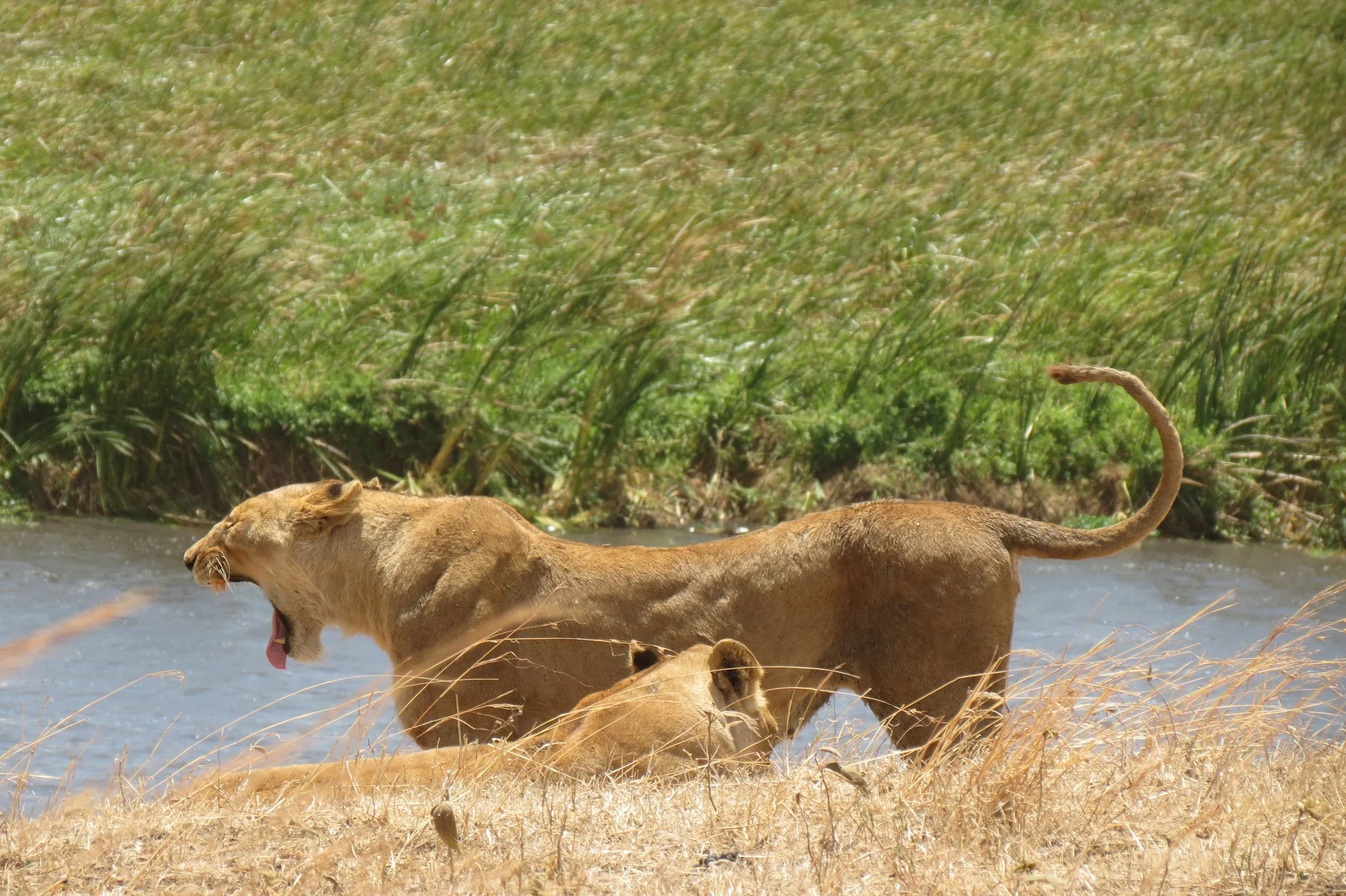
The crater supports one of Africa's densest lion populations, with multiple prides sharing the floor. Game drives regularly encounter lions at rest, hunting, or with cubs — often within close distance.
Hippo
The hippo pools near the crater floor are among the most reliable hippo-watching spots in East Africa. Congregations of 30–50 are common, especially in the dry season months.
Elephant
The crater's bull elephants are notably large-tusked. Elephants move freely between the crater rim and floor — your guide's knowledge of their ranging patterns makes all the difference.
Flamingo & Birdlife
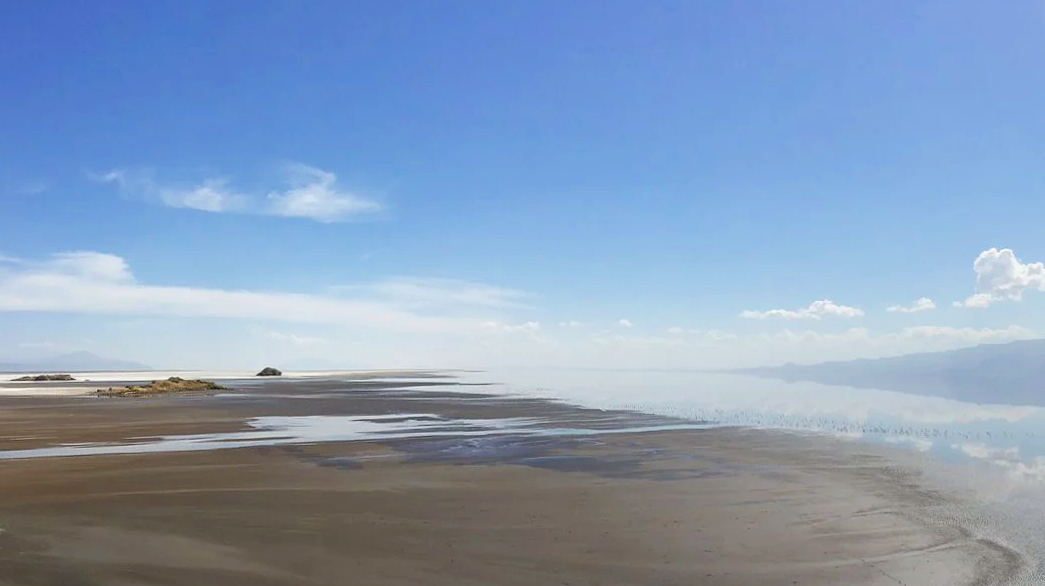
The alkaline soda lakes on the crater floor attract flocks of flamingo, pelicans, and over 500 recorded bird species. The green season (November–May) is outstanding for birding, with migratory species present.
Wildebeest & Zebra
Unlike the Serengeti migration, the crater's wildebeest and zebra herds are permanent residents. Large concentrations can be found on the short-grass plains throughout the year.[ BEYOND THE CRATER ]
Three Craters, One Conservation Area
The Ngorongoro Conservation Area extends far beyond the main crater. With time and the right guide, these lesser-visited landscapes are among the most rewarding in Tanzania.
01
A near-perfect circular lake crater accessible only on foot. Walking safaris through Empakai take you among buffalo, antelope, and flamingo in a habitat that sees a fraction of the visitor numbers the main crater draws. The rim offers views across to Ol Doinyo Lengai — an active volcano still rising from the Rift Valley floor.
Empakai Crater
02
Formed by water erosion rather than volcanic collapse, Olmoti is a quieter, gentler landscape than its neighbors. A cascading waterfall at the crater's edge marks its origins. Walking here with a guide is a contemplative experience — wide skies, open grassland, and almost no other vehicles in sight.
Olmoti Crater
03
One of the most significant paleontological sites on Earth. Here, in the 1950s, Mary and Louis Leakey unearthed some of the earliest evidence of our ancestors. A visit to the gorge museum and excavation site adds extraordinary historical depth to a journey through the crater area.
Oldupai Gorge
04
The Ngorongoro Conservation Area is home to Maasai communities who have co-existed with wildlife here for generations. Visits to Maasai bomas — arranged through trusted local community contacts — offer genuine cultural exchange and context for the landscape you're moving through.
Maasai Cultural Encounters
[ BEST TIME TO VISIT ]
The Crater is Exceptional Year-Round
Unlike many East African destinations, the Ngorongoro Crater rewards a visit in any season. The question is what kind of experience you're looking for — and what else you plan to combine it with.
Peak season
DRY SEASON · JULY - OCT
Peak Wildlife Viewing
The dry months bring the clearest air, the best road conditions, and the most concentrated wildlife around water sources. Predator sightings are exceptional. Accommodation is in high demand, so advanced planning is essential.
Best value
GREEN SEASON · NOV - MAY
Lush, Quiet & Exceptional for Birding
The short and long rains (November and March–May) transform the crater into a vivid green landscape. Migrant bird species arrive in huge numbers. Visitor numbers drop significantly, meaning more solitude on game drives and better rates at lodges. The crater itself is always accessible.
Traveling in a specific month? We can advise on the best version of this safari —>
Safaris that include Ngorongoro Crater
The Ngorongoro Crater pairs naturally with the Serengeti, Tarangire, and other northern parks. Our guides will help you decide how much time to spend here and when.
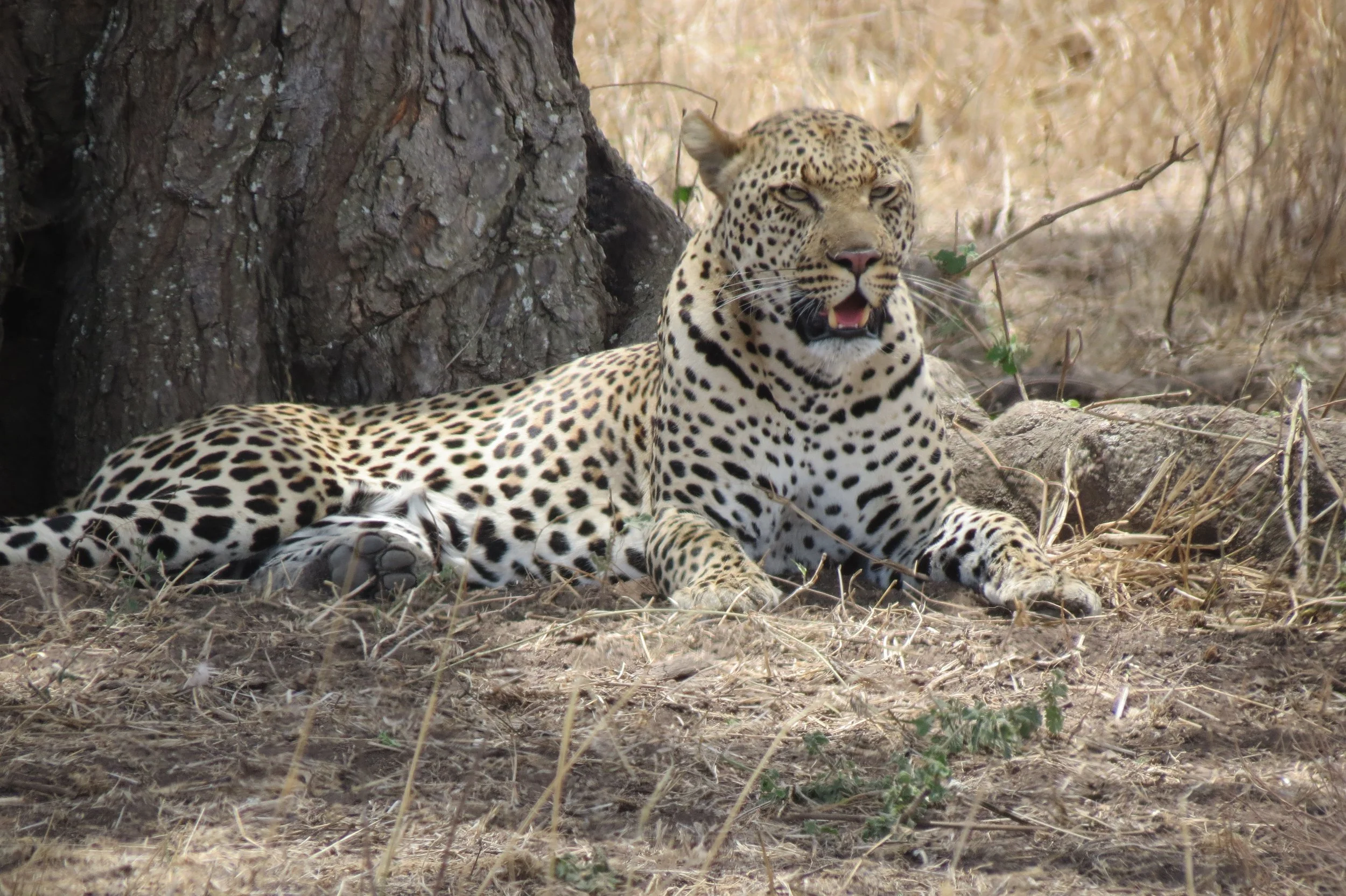
Origins 6 Days
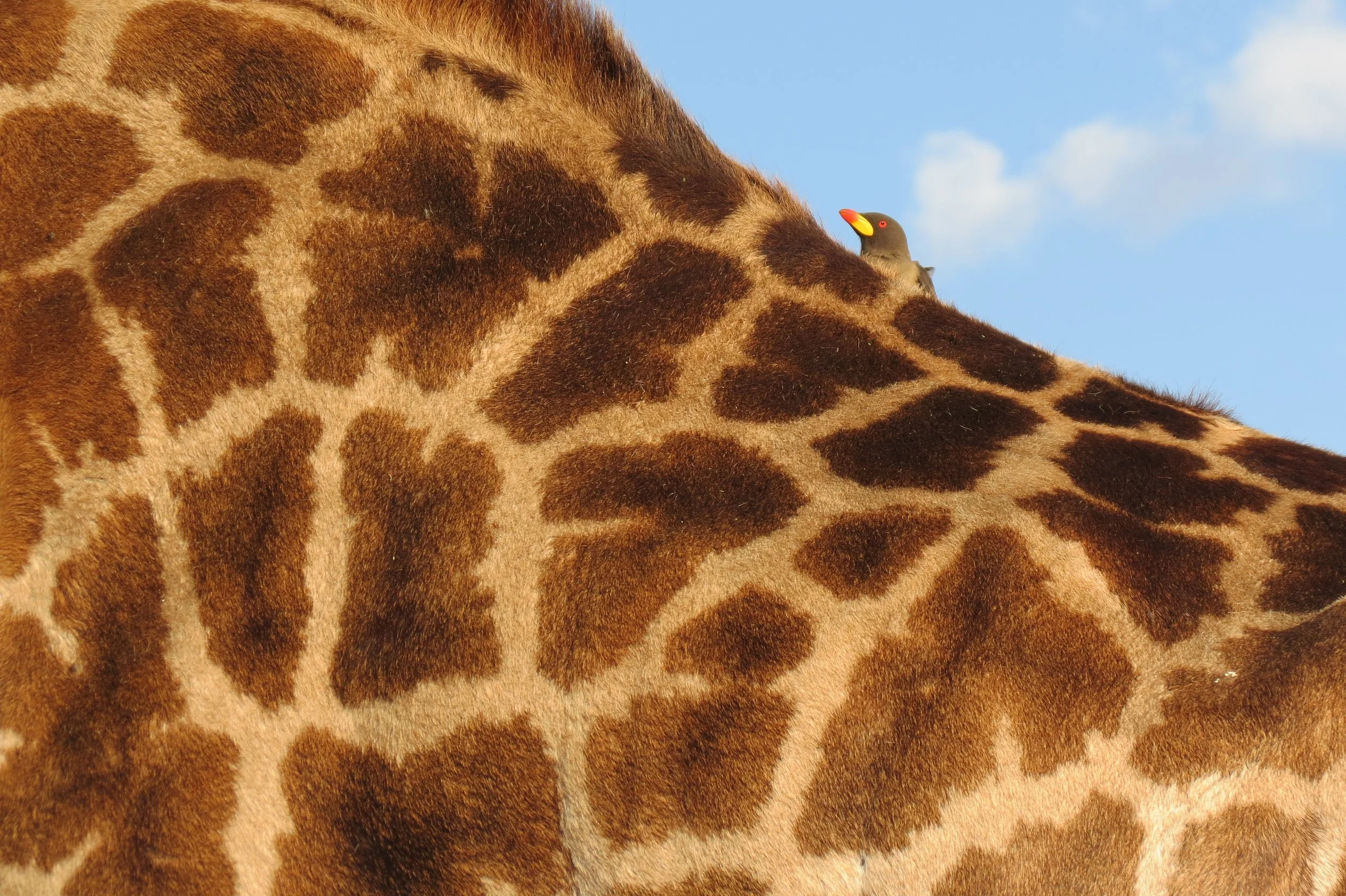
Signature Explorations 8-9 Days
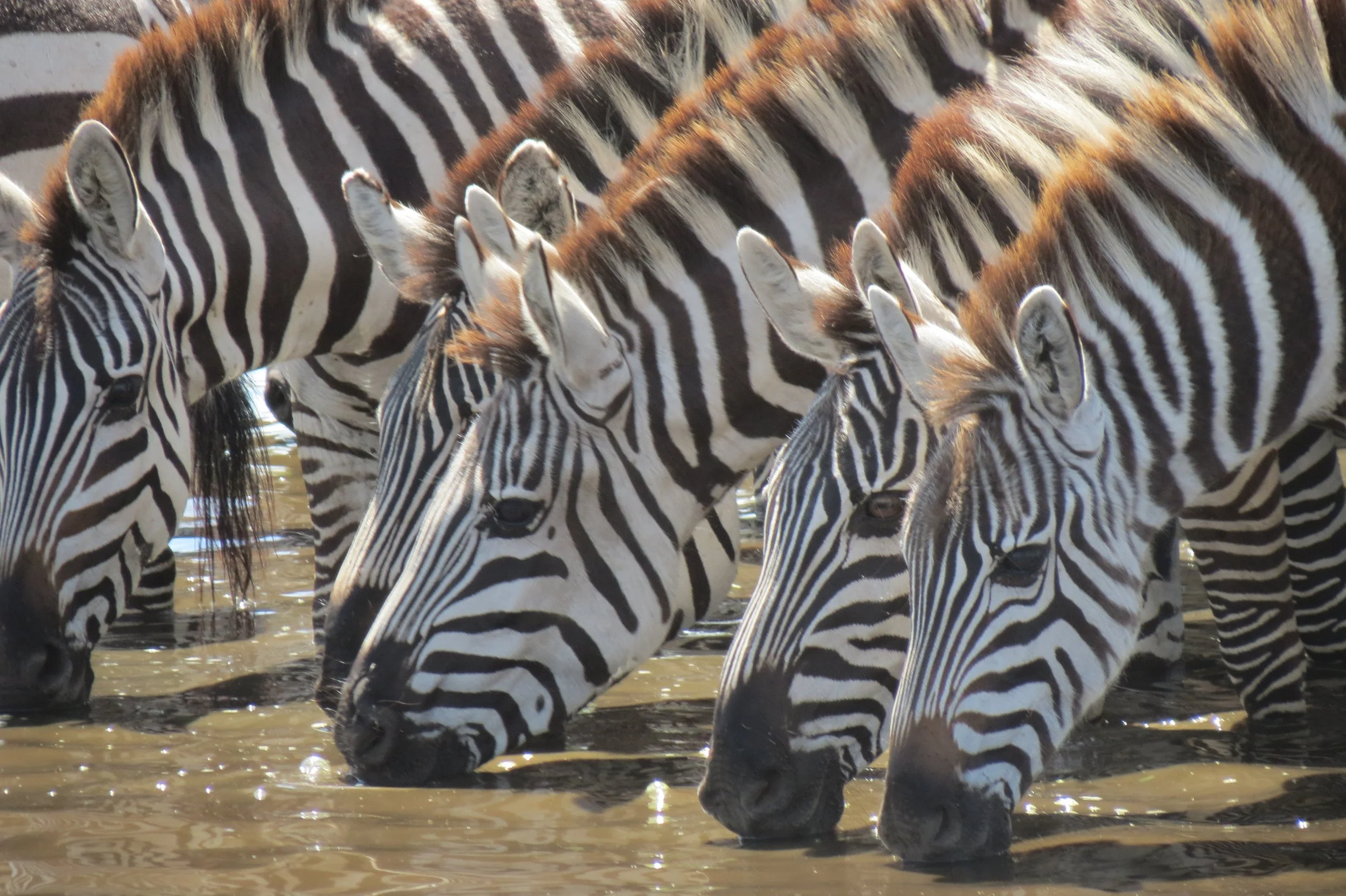
Classic Wildlife Safari 7 Days
Custom Safari Any Duration
[ CONSERVATION & CONTEXT ]
A landscape worth protecting
The Ngorongoro Conservation Area is a dual heritage site — both wildlife sanctuary and the home of the Maasai people who have lived here across generations. The balance between these two is real, imperfect, and ongoing.
As a Tanzanian-owned company operating in this landscape, we take our responsibilities seriously. Our guides are trained in low-impact driving, maintain respectful distances from animals, and bring to every game drive a genuine connection to the land they grew up alongside.
We work with NCA-registered accommodation and Tanzanian-owned community lodges where possible. The economic value of responsible tourism is the most powerful conservation tool available — and it works best when it stays in the country that hosts it.
Years since the volcanic explosion that created the crater — making it one of the oldest continuously inhabited ecosystems on the continent.
3M
Square kilometres of crater floor — a self-contained ecosystem supporting an extraordinary density of resident wildlife year-round.
260
Large mammals resident within the crater at any time. No other enclosed African ecosystem comes close to this concentration.
25K+
Bird species recorded within the Conservation Area, making it one of East Africa's premier birding destinations alongside its mammal-watching reputation.
500+
Year the Ngorongoro Conservation Area was designated a UNESCO World Heritage Site — one of only a handful of sites to hold both natural and cultural heritage status.
1979
[ FAQs ]
Questions About the Ngorongoro Crater
-
The crater is approximately three to four hours' drive from Arusha, making a day trip technically possible — but not something we recommend. A day trip compresses the game drive into too short a window and means you miss the extraordinary quality of the early morning, when the light is beautiful and the predators are most active. We suggest at minimum two full days in the area, ideally as part of a longer northern circuit itinerary.
-
Absolutely — in fact, most travelers combine both, and for good reason. The Serengeti and Ngorongoro are very different experiences. The Serengeti offers vast open plains and, in season, the spectacle of the Great Migration. The crater offers concentrated wildlife in an enclosed, dramatic landscape with near-guaranteed big cat and elephant sightings. Together, they give you the full breadth of what Tanzania's northern circuit offers.
-
All accommodations are on the crater rim or crater highlands, not on the crater floor. The crater rim offers remarkable views over the caldera and a completely different atmosphere to the floor below — cool, forested, and often misty at dawn. Our team can advise on the right option for your travel style and budget.
-
Rhino sightings in the crater are never guaranteed — the population is critically small and the animals are elusive. The best strategy is an early morning game drive (gates open at 6am) when rhinos are most active and tend to be moving through the acacia woodland on the crater's eastern side. A knowledgeable guide who knows the individuals' movement patterns — as our guides do — makes a meaningful difference to your chances of a sighting.
-
Yes — Ngorongoro Conservation Area fees are included in all our safari packages that visit the NCA. The NCA charges a park conservation fee per person per day, vehicle fee, Crater descent fee, and concession fee if overnighting in NCA. These are official government levies and are non-negotiable. When requesting a quote, we provide a full breakdown of exactly what is included so there are no surprises on the road.
-
Walking safaris are permitted in specific areas of the NCA — most notably Empakai and Olmoti craters, which are accessible only on foot. Walking is not permitted on the Ngorongoro Crater floor itself. If walking is an important part of your safari experience, we can design an itinerary that combines crater game drives with walking in these extraordinary sister craters.
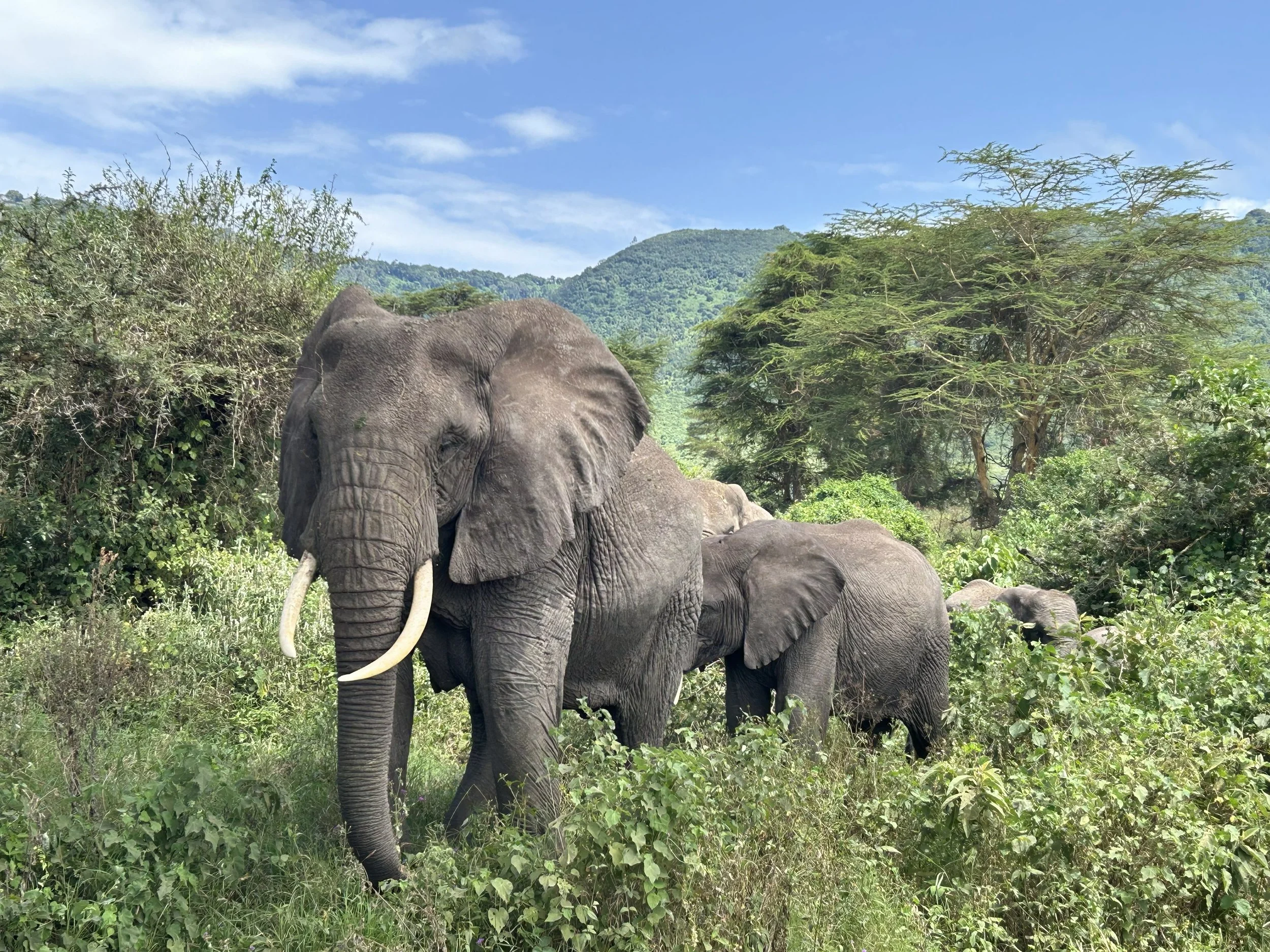
Ready to experience the Ngorongoro Conservation Area?
No commitment. You’re engaging with a real person from the Misele Team who knows Tanzania safaris extensively. We will reply within 24 hours.
Your details are never shared. We respond personally, usually within a few hours.