RIFT VALLEY · LAKE NATRON ·TANZANIA
Lake Natron & Ol Doinyo Lengai
The world's most extraordinary alkaline lake — birthplace of two million flamingos — overlooked by an active volcano the Maasai call the Mountain of God. One of East Africa's most remote and singular landscapes.
15+ years operating | Tanzanian Owned & Led | TALA Licensed | 27+ countries represented

BEST VISITEDJune-October · Flamingo season
|

ALTITUDE2,962 m · Active stratovolcano
|

LOCATION4-5 hrs from Arusha
|

TERRAINRift Valley floor · alkaline lake
|

WILDLIFE1.5 - 2.5 million · Africa’s largest colony
[ OVERVIEW ]
Earth began in a valley of fire and salt
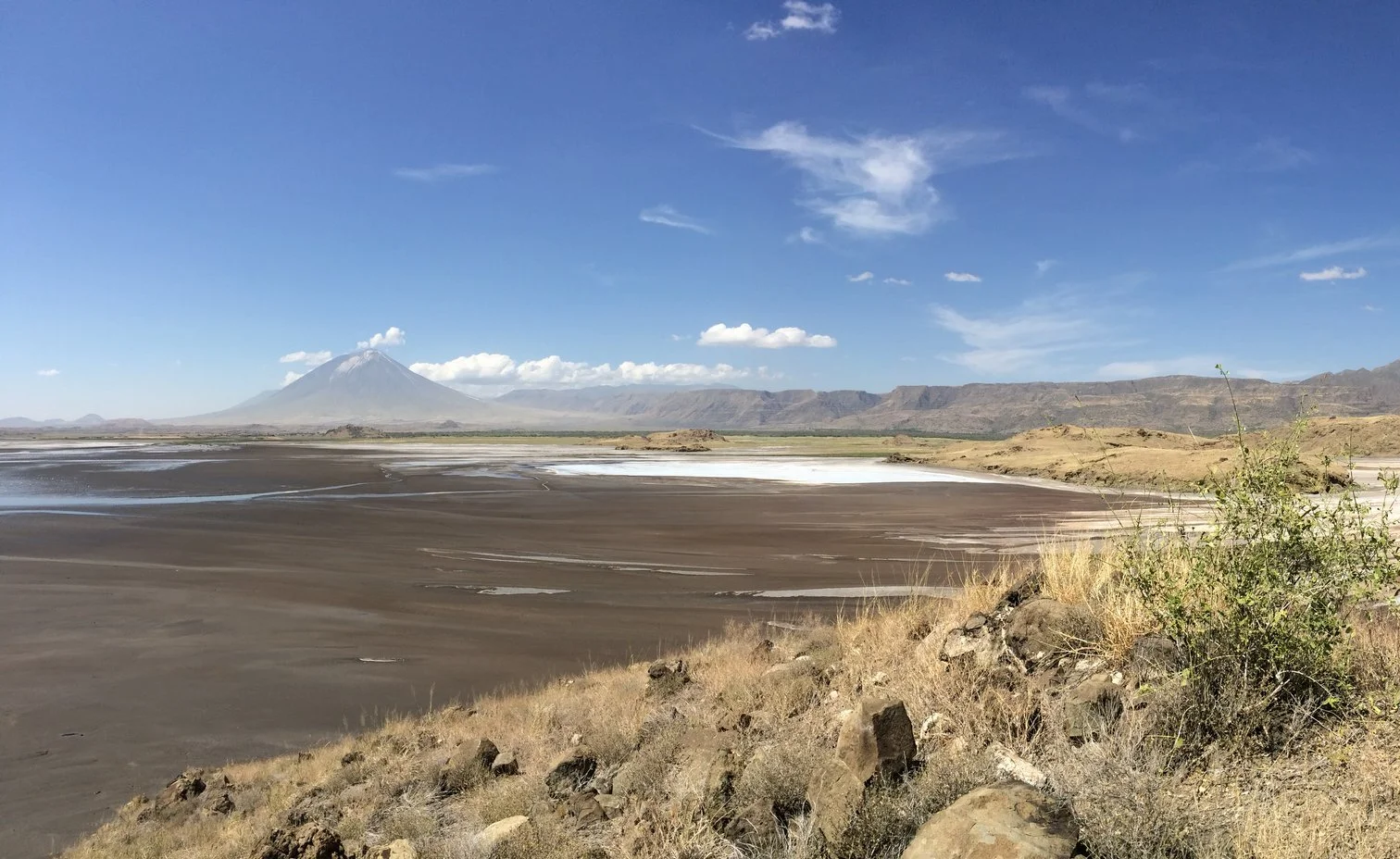
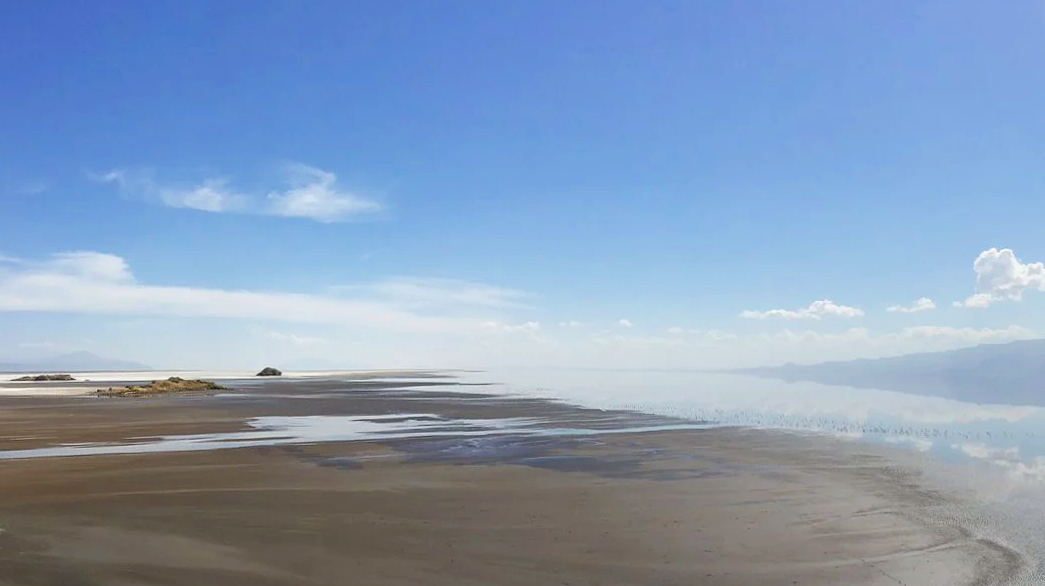
Lake Natron sits on the floor of the Great Rift Valley in northern Tanzania — a caustic, alkaline lake so inhospitable that almost nothing can survive in it, yet home to the largest lesser flamingo breeding colony on Earth.
The lake is colored deep crimson by salt-loving microorganisms, haloarchaea, that thrive in conditions lethal to most life. Calcite and sodium carbonate slowly encrust anything that enters the lake's shallows. And yet this apparent hostility is precisely what makes it a sanctuary: the alkalinity that repels predators allows two million flamingos to raise their young here in relative safety.
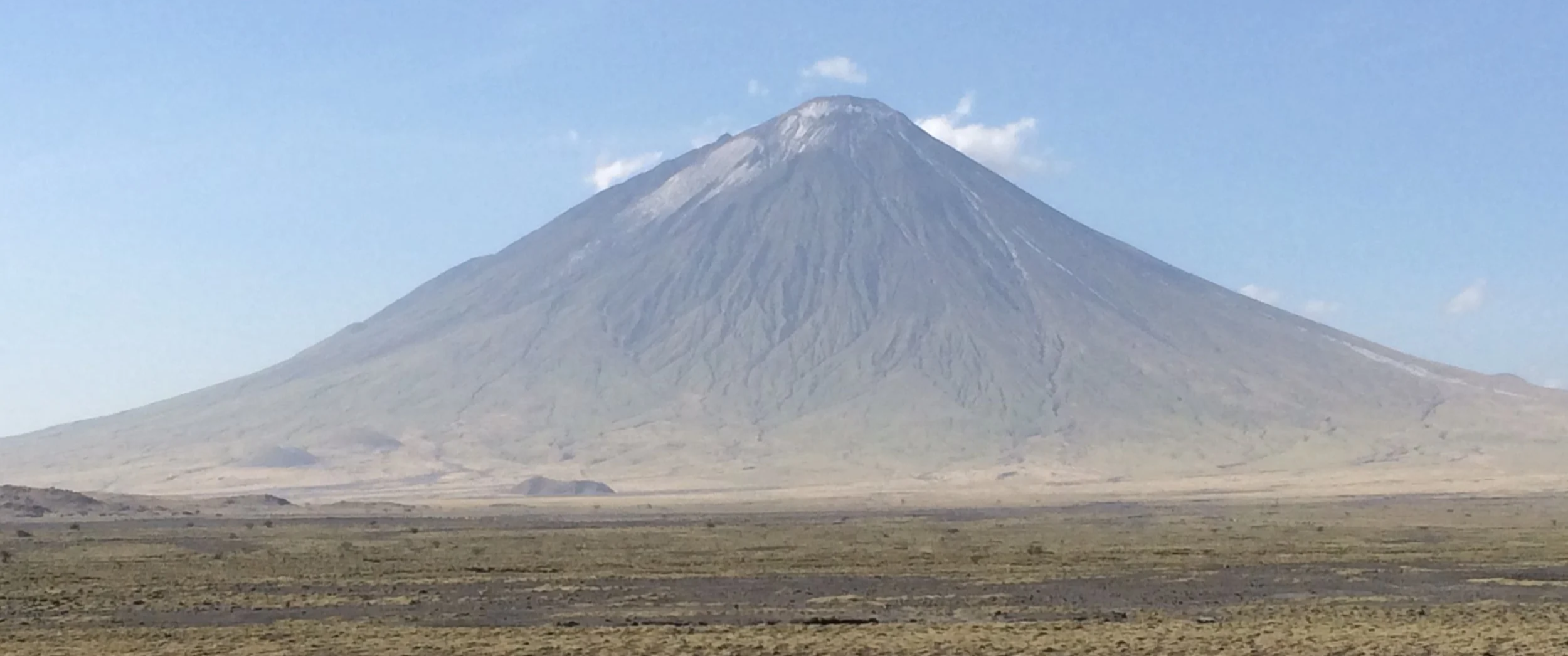
Rising above the southern shore is Ol Doinyo Lengai — "the Mountain of God" — a 2,962-metre active stratovolcano unique in the world for its natrocarbonatite lava. This black, low-temperature lava flows like water and turns ash-white within hours of cooling. At night, glowing vents still breathe at the summit. The mountain is a demanding overnight trek and one of the most extraordinary experiences in East Africa for those willing to attempt it.
Ol Doinyo Lengai cannot be done justice in words. You go to stand at the rim, and then you understand.
Lake Natron is not a standard game-viewing destination. There are no lion prides or elephant herds. What it offers instead is rarer: a landscape that feels genuinely primordial, encountered almost alone, with a guide who knows exactly where to go.
[ WHAT MAKES IT DIFFERENT ]
Where Lake Natron is unlike anywhere else on Earth

The world's greatest flamingo spectacle — and the only place it happens
Lake Natron is the primary breeding site for lesser flamingos across the entire African continent. Up to 2.5 million birds nest on the salt flats each year — a concentration found nowhere else. The lake's corrosive chemistry keeps most predators at bay, making these shallows the safest nursery in East Africa. Get up close on a walking safari as you wade in the edges of the lake in one of the rarest wildlife encounters in Tanzania.
An active volcano that erupts black lava — unique on Earth
Ol Doinyo Lengai is the only volcano on Earth known to erupt natrocarbonatite lava — a low-temperature, iron-poor magma that flows black and turns white within hours of cooling. It is the Maasai's sacred Mountain of God, still actively venting from its summit. An overnight ascent — beginning at midnight, reaching the crater at sunrise — is among the most demanding and most rewarding experiences in East Africa. The view at dawn, with the lake's pink surface far below and Kilimanjaro on the horizon, is genuinely difficult to describe.

Ancient human footprints — preserved in volcanic ash for 19,000 years
Near the village of Engare Sero, a set of human footprints was discovered preserved in hardened volcanic ash — dated to approximately 19,000 years ago and representing one of the largest collections of ancient human tracks ever found. Walking the same shoreline, past the same volcano, connects this landscape to our species in a way that very few places in the world can match. Combined with the Engare Sero waterfall and local Maasai community encounters, the area around the lake rewards those who slow down and look.
[ BEYOND THE LAKE ]
Four landscapes, one extraordinary area
The area around Lake Natron rewards travelers who take time to explore beyond the shoreline. Each of these can be incorporated into your itinerary with the right guide.
01
Ol Doinyo Lengai - the overnight climb
The ascent begins at midnight from a camp near the lake's edge — roughly six hours of sustained climbing on loose volcanic scree, reaching the crater rim as the sun rises over the Rift Valley. The view from the top encompasses the lake, the surrounding escarpment, and on a clear morning, Kilimanjaro 200 km to the south. A local licensed guide is non-negotiable. The climb is demanding, genuinely rewarding, and only safe in the dry season (June–September).
02
Engare Sero waterfall
A multi-tiered waterfall fed by a river that runs clear and cold through the Rift Valley floor — an unexpected contrast with the alkaline lake a few kilometres away. The walking trail through forest and riverside scrub takes around two hours. Olive baboons, birds, and the sound of moving water make it a quiet, absorbing experience. The trailhead is also the gateway to the ancient human footprints site nearby.
03
Engare Sero footprints
Preserved in a hardened layer of volcanic ash near the lakeshore, a collection of ancient human footprints was dated to approximately 19,000 years ago — representing one of the largest collections of early human tracks ever documented. Walking the same volcanic landscape that our ancestors crossed connects this destination to something that goes well beyond wildlife. A visit with context from your guide makes it one of the more quietly profound experiences in Tanzania.
04
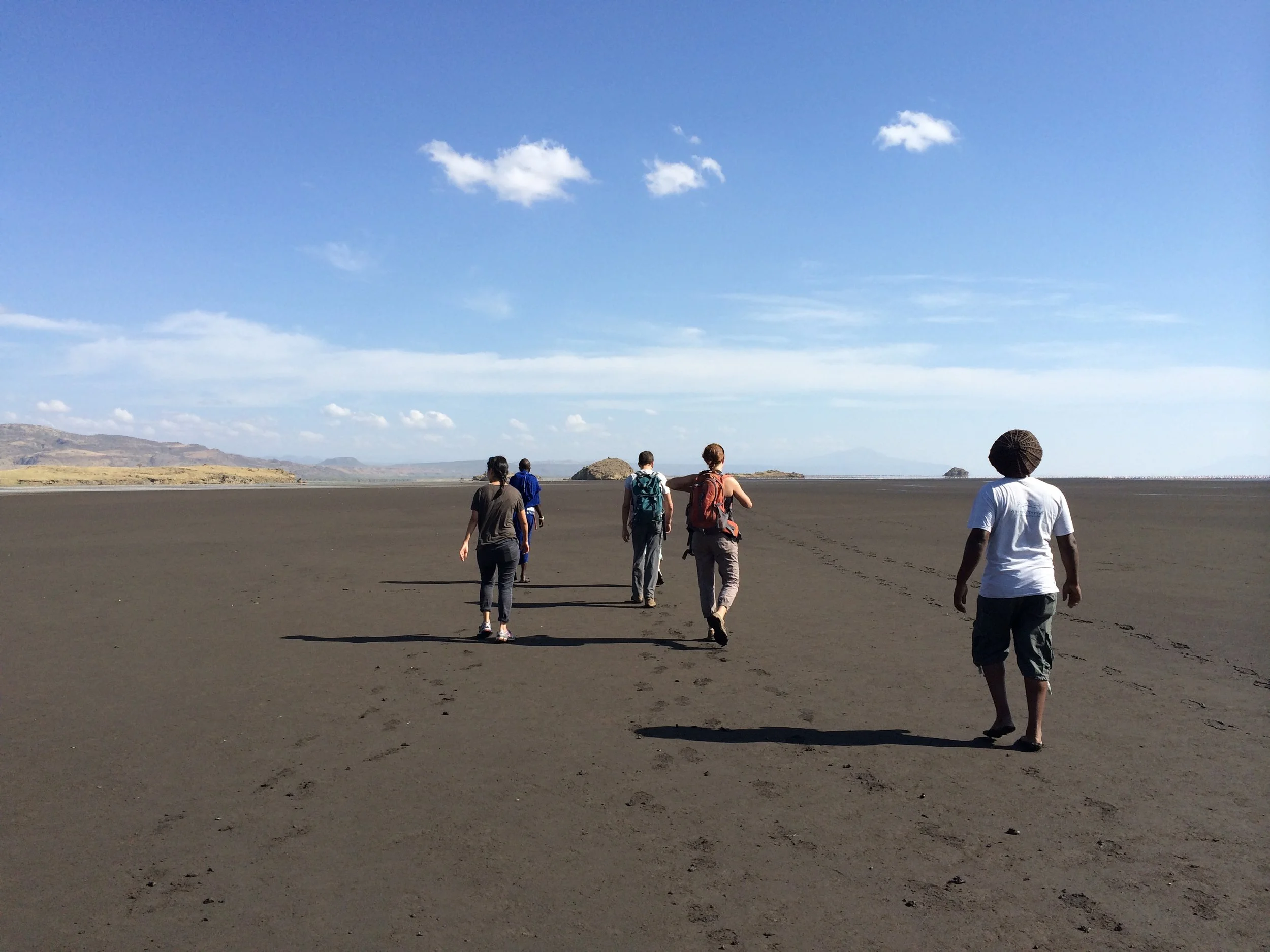
Sunrise and sunset walking safaris at the lake
The two ends of the day are when Lake Natron is at its most extraordinary. At sunrise, the flamingos are active, the light turns the lake's surface deep pink and gold, and the heat of the Rift Valley floor has not yet arrived. At dusk, Ol Doinyo Lengai catches the last light while the lake stills completely. A slow guided walk along the shore — no agenda, no vehicle — is often what guests remember most. It costs nothing extra and requires only the willingness to be up early.
[ BEST TIME TO VISIT ]
The lake is unique in each season
Unlike most East African destinations, Lake Natron has no single "best" season — the experience changes dramatically depending on when you go.
PEAK FLAMINGO SEASON · JUNE - OCTOBER
Breeding & Maximum Numbers
The dry months bring lower water levels that concentrate flamingos on the remaining shallow areas, producing the most dramatic pink spectacles. Flamingo breeding peaks from late June through October. The lake road is at its most reliable. Temperatures on the Rift Valley floor are high but manageable in the early morning and at dusk.
GREEN SEASON · NOVEMBER - MAY
Otherworldly & Quiet
November through May transforms the surrounding hills and brings the Engare Sero waterfall to full power. Migratory bird species arrive in large numbers. Flamingos remain present but are more dispersed across the lake. The access road becomes challenging and requires a capable 4WD. Visitor numbers drop close to zero — the landscape feels entirely private.
VOLCANO TREKKING · JUNE - OCTOBER
Dry Season Only
The overnight ascent of Ol Doinyo Lengai should only be attempted in dry conditions — June through September. Wet-season rain turns the volcanic ash and soil into an unstable, dangerous surface. Even within the dry season, conditions on the upper slopes can change rapidly. We always assess current summit conditions before confirming a trek.
CLIMATE NOTE · YEAR-ROUND
Heat, Dust & Altitude
The Rift Valley floor at Lake Natron can be genuinely hot — midday temperatures regularly exceed 38°C in the dry season. Early mornings and late afternoons are the active hours for flamingo viewing and walking. Ol Doinyo Lengai's summit is dramatically colder — bring warm layers regardless of the season.
Traveling in a specific month? We can advise on the best version of this safari —>
Lake Natron pairs naturally with the Ngorongoro Crater and Serengeti — either as a standalone focus or as a powerful addition to a northern circuit itinerary.
Safaris that include Lake Natron
Origins 6 Days
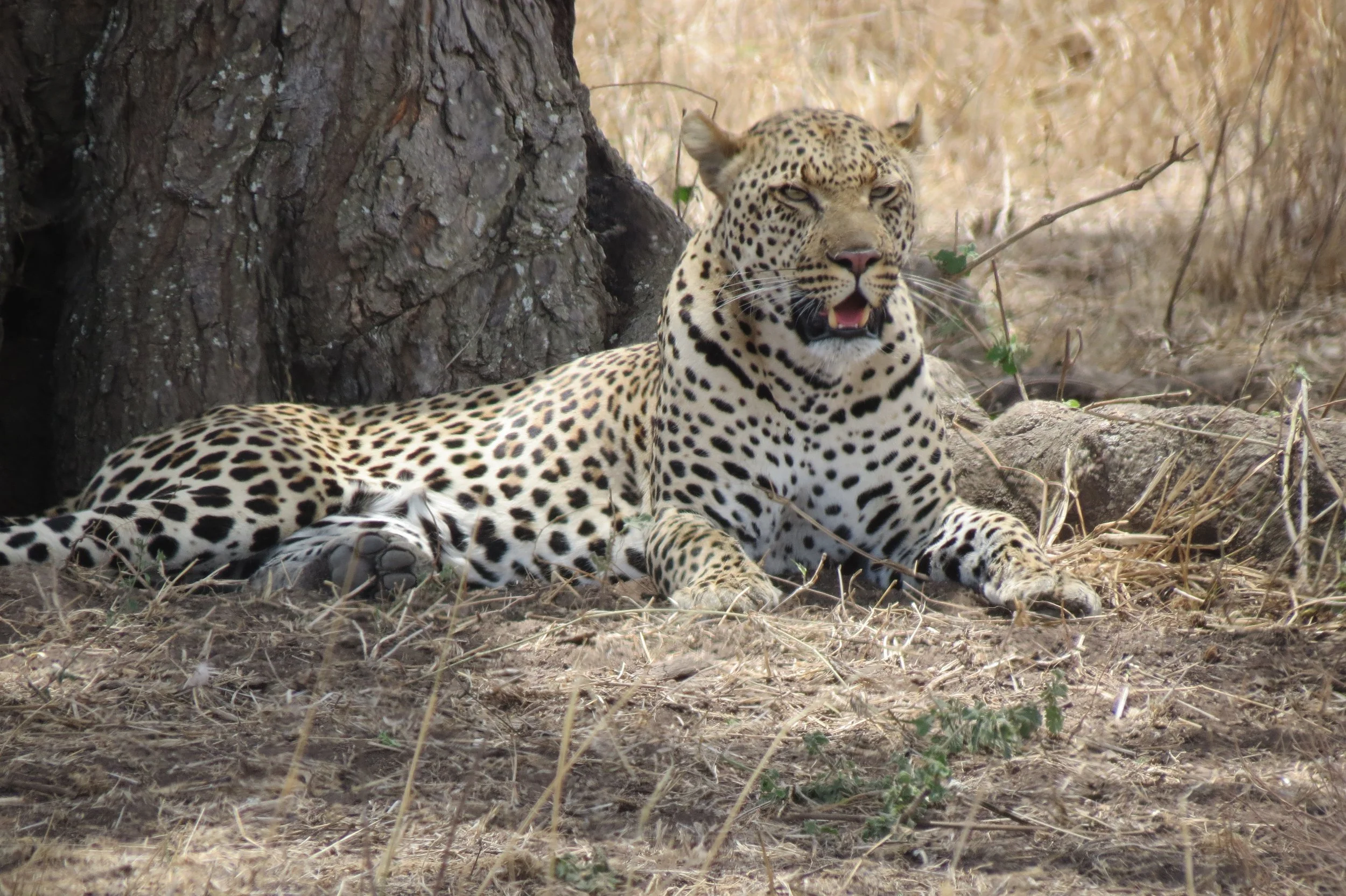
Signature Explorations 8-9 Days
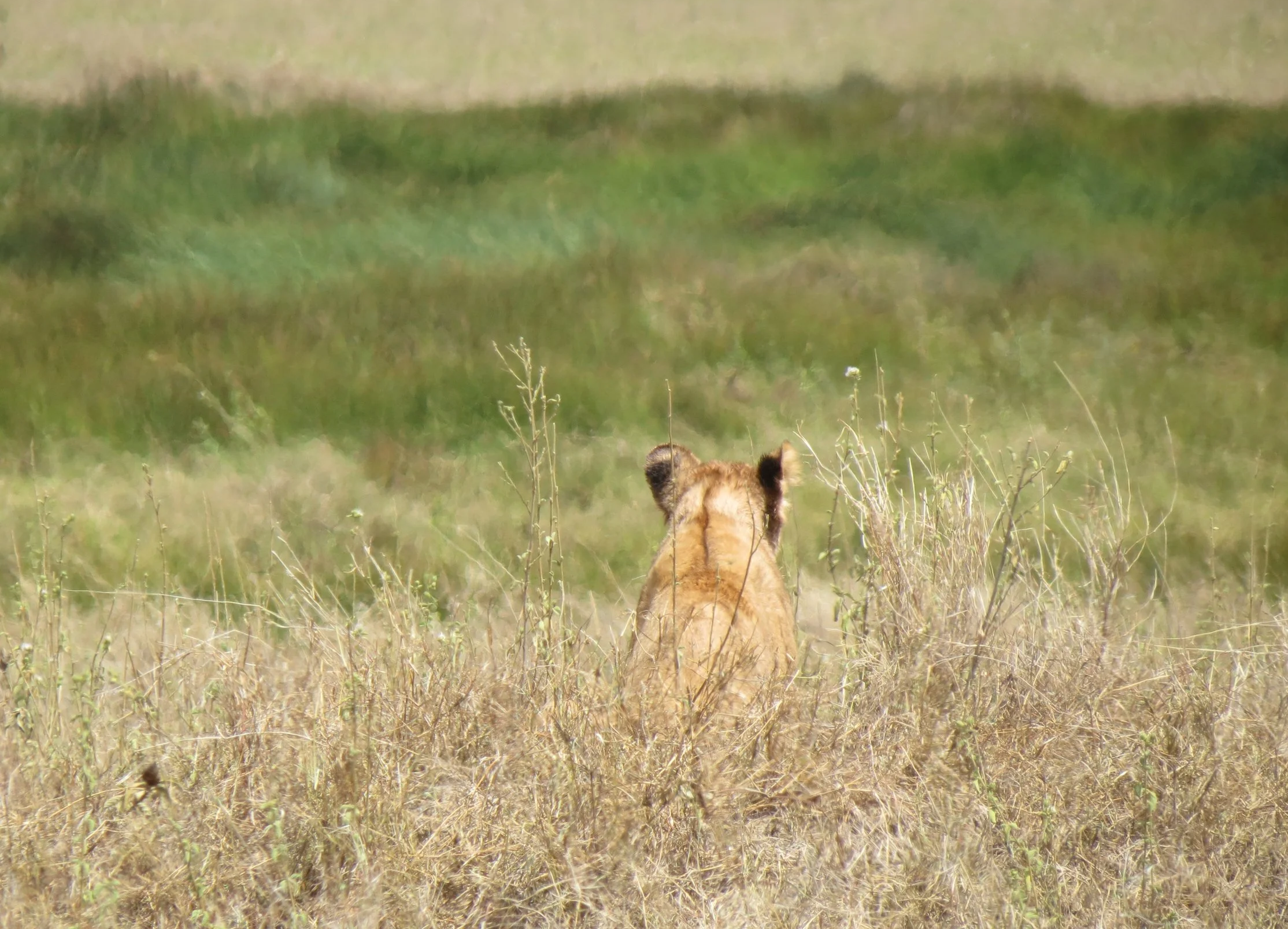
5 Day Into the Wild Safari
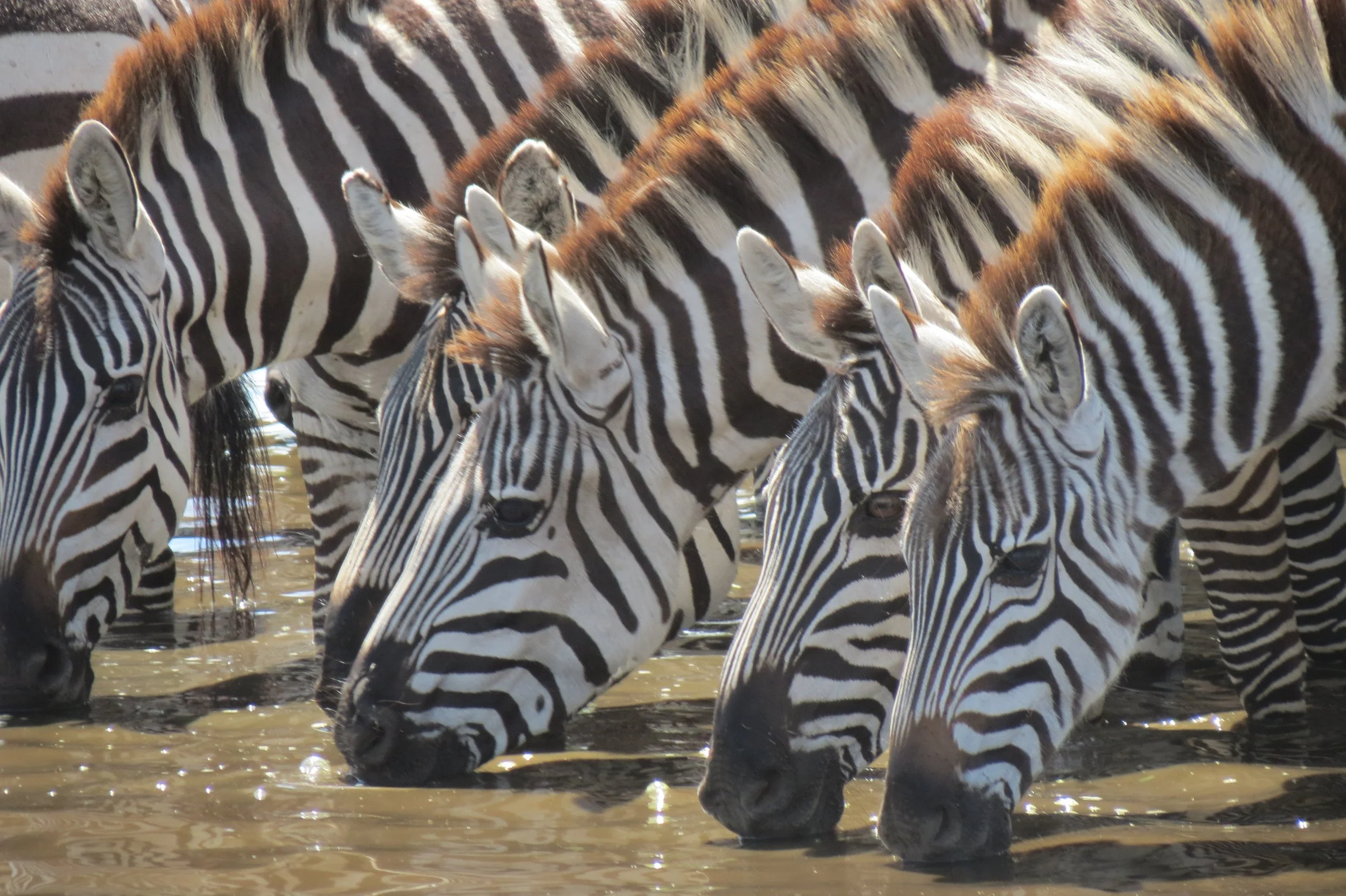
Custom Safari Any Duration
[ CONSERVATION & CONTEXT ]
A landscape worth protecting
Lake Natron is one of East Africa's most sensitive ecosystems — and one of its most undervalued. The flamingos that breed here exist nowhere else in comparable numbers, and the conditions that make that possible are fragile.
As a Tanzanian-owned company that brings travellers to the lake, we take seriously the responsibility that comes with access. Our guides approach the shoreline and flamingo areas with discipline — maintaining distances, moving slowly, and choosing viewing angles that minimise disturbance to nesting birds. We follow the lead of the Maasai communities who have lived alongside this lake for generations.
Responsible tourism at Lake Natron also means ensuring that the economic value of a visit stays in the communities closest to it. We work with Natron-based camps, local community guides for the Engare Sero and footprints walks, and Maasai contacts whose family land borders the lake. That is not marketing language — it is what locally owned tourism looks like in practice.
25M
Lesser flamingos at peak breeding season — approximately 75% of the world's entire population gathers here to reproduce.
2,962m
Metres altitude of Ol Doinyo Lengai — Tanzania's most active volcano and one of only a handful of natrocarbonatite volcanoes ever documented on Earth.
19K
Years since the Engare Sero footprints were made — one of the largest sets of ancient human tracks ever found, preserved in volcanic ash on the lake's southern shore.
10.5
Approximate pH of the lake's water — comparable to ammonia, and hostile to almost all life except the haloarchaea that give the lake its crimson color.
[ FAQs ]
Questions About Lake Natron
-
Yes — Lake Natron is the primary and permanent breeding site for lesser flamingos in Africa. Flamingos are present year-round, but numbers, accessibility, and the proximity of birds to the shoreline vary with season. The peak spectacle is during the dry season (June–October), when lower water levels concentrate birds near accessible areas. During the rains, flamingos disperse more widely across the lake and viewing requires more patience. We always advise on current conditions before finalizing your visit dates.
-
It is a serious, demanding hike — one of the most challenging in Tanzania outside of Kilimanjaro. The route ascends nearly 2,400 metres of elevation gain on steep, loose volcanic ash and scree. No technical equipment is required, but you need solid fitness, good ankle support, and the ability to sustain effort over five to seven hours of uphill walking starting at midnight. Warm layers for the summit are essential regardless of season. Most people who complete it describe it as among the most remarkable experiences of their lives. Most also say they would not want to do it twice.
-
Accommodation at Lake Natron is intentionally simple — this is one of Tanzania's most remote destinations and the lodges reflect that. The best options are small tented camps on the lake's edge, where meals are straightforward and the surroundings are extraordinary. This is not a Serengeti luxury camp. It is a different kind of beauty — silence, volcanic light, and very few other people. We recommend one or two nights, which is enough to do the lake, the waterfall walk, and the footprints site properly.
-
Yes — this is in fact the most natural combination. Lake Natron sits on the route between Arusha and the Ngorongoro highlands, making it a logical first or last stop on a northern circuit itinerary. With 6–8 days you can cover Lake Natron, Ngorongoro Crater, and the Serengeti in a single trip without doubling back. Our Origins (6-day) itinerary is built around exactly this combination. Ask us about routing options — the right sequence depends on your available dates and what you most want to prioritize.
-
Lake Natron is safe to visit with an experienced guide and the right vehicle. The lake water itself is caustic — you do not wade or swim in it — but the shoreline, waterfall walks, and volcano trek are all conducted safely with proper guidance. The access road requires a capable 4WD, particularly after rainfall. For the Ol Doinyo Lengai ascent, a local licensed guide is mandatory and the climb should only be attempted in dry season conditions (June–September).
-
A local community guide is required for the waterfall walk — this is managed by the Engare Sero village and the fee goes directly to the community. The walk takes around two hours each way and passes through forest, open scrub, and seasonal riverbed. The guide also provides access to the ancient footprints site, which is gated and community-managed. We arrange all permits and community guides as part of your itinerary — there's nothing for you to organize independently.
Let’s design your Lake Natron visit
Tell us a little bit about your trip — when you’re thinking of traveling, whether the volcano trek interests you, and what else you’d like to see. No commitment. You’re engaging with a real person from the Misele Team who knows Tanzania safaris extensively. We will reply within 24 hours.
Your details are never shared. We respond personally, usually within a few hours.