1-2 DAYS | KILIMANJARO HIKE | NO SUMMIT ATTEMPTTaste of Kilimanjaro
A first encounter with the mountain to experience the unique rainforest biodiversity and view of Kibo and Mawenzi’s snow-capped peaks — no summit attempt, no technical climbing required
DURATION
1 or 2 Days
|
DISTANCE
~16 km round trip
|
ACCOMMODATION
Park Hut (2 day) or Day Trip
|
DIFFICULTY
Easy
|
HIGHEST POINT REACHED
~2,700 M (Mandara Huts)
1-DAY HIKE FROM
$276 pp
Group of 6 hikers
|
2-DAY HIKE FROM
$535 pp
Group of 6 hikers
|
Mountain Huts
SUITABLE FOR
Families, all fitness levels
No prior trekking experience needed
|
BEST PAIRED WITH
Any safari itinerary
A popular opening or closing to a safari trip
[ OVERVIEW ]
Kilimanjaro, without the multi-day commitment
Not every traveler wants (or has time for) a five- to eight-day summit attempt, and Taste of Kilimanjaro exists for exactly that reason.
This is a hike into Kilimanjaro National Park along the lower slopes of the Marangu route, reaching Mandara Huts at roughly 2,700 m through dense, beautiful montane rainforest. There's no summit push, no technical terrain, and no specialized gear required, just an unhurried encounter with the mountain.
Two things draw most travelers to this trip specifically:
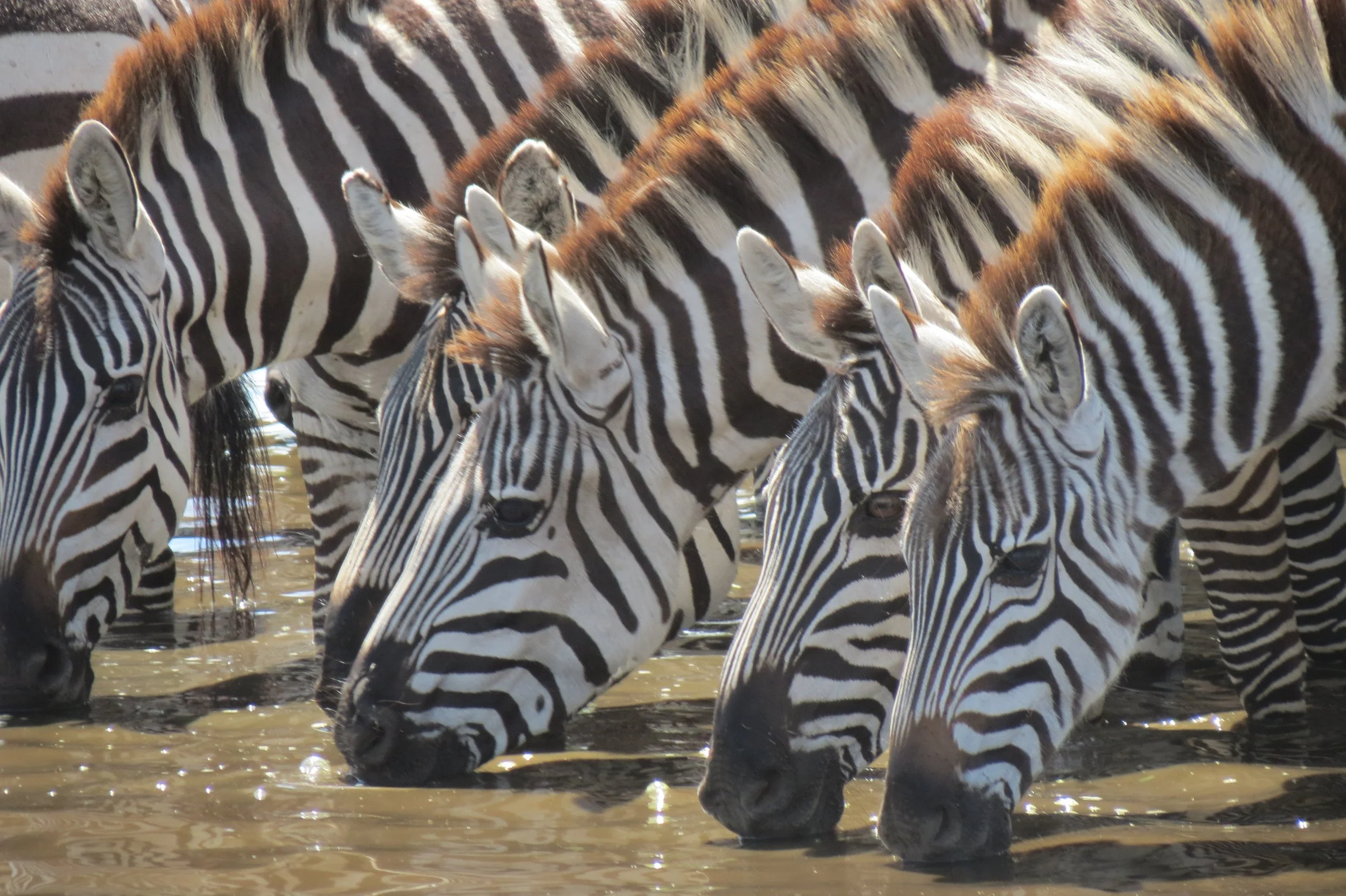
First, the rainforest: this lower zone holds Kilimanjaro's richest biodiversity, far more varied than the alpine desert and scree above it. You can experience giant tree ferns, wild orchids, troops of blue and black-and-white colobus monkeys, and turacos and hornbills calling overhead.
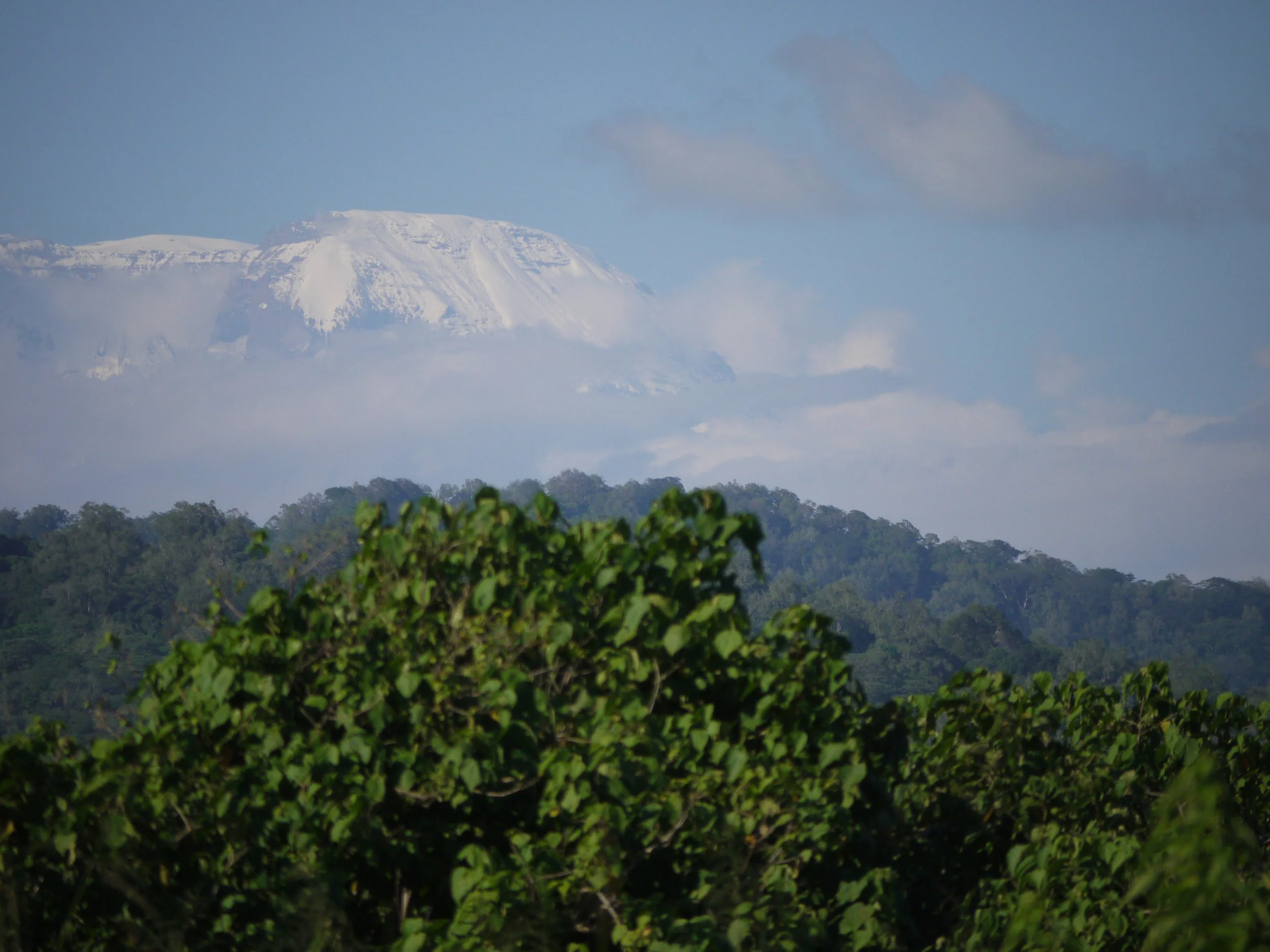
Second, the views: on a clear day, especially from the Maundi Crater rim, you get genuine sightlines to Kibo's snow-capped summit dome and Mawenzi's jagged peak. The same iconic silhouette climbers spend days working toward, visible here after a single easy morning's walk.
This is one of our most-requested add-ons among safari travelers who want a taste of Kilimanjaro without committing to a full climb. Between the 1- and 2-day versions, we recommend the 2-day option for most travelers: it trades a long, tiring round-trip day hike for an unhurried overnight at Mandara Huts, with time for the short, worthwhile side trip to Maundi Crater.
Views of Kibo & Mawenzi’s snow-capped peaks
No summit attempt, easy hiking
Suitable for families, older travelers, and first-timers
Dense montane rainforest, Kilimanjaro’s lushest zone
Optional side trip to Maundi Crater
THIS HIKE IS A STRONG FIT IF
You want a real Kilimanjaro experience without a multi-day commitment
You're travelling with family, or at a fitness level that doesn't suit a summit attempt
You want a scenic add-on day before or after a safari
You're considering a future full climb and want to test the terrain first
CONSIDER A FULL ROUTE INSTEAD IF
Reaching Uhuru Peak is the goal — see our five summit route pages
You want several nights of camping deep in the wilderness
You're already booked on a full climb — this add-on isn't necessary beforehand, and we're happy to advise on whether it's worth the extra exertion so close to your climb
Not sure if this or a full summit climb is the right call? Tell us your timeframe, fitness level, and what you’re hoping to get out of it, and we’ll give you an honest recommendation.
|
[ 1-DAY VS. 2-DAY ]
Which version should you book?
Both versions cover the same trail to Mandara Huts. The difference is pace, and whether you stay overnight on the mountain.
ROUTE
1-day hike
2-day hike
OVERNIGHT
No - same day trip
Yes - Mandara Huts
6-7 hours
DURATION
Two half-days
~16 km
TOTAL DISTANCE
~16 km
Tight schedules; strong walkers wanting a longer single push
BEST FOR
Most travelers; unhurried pace, time for Maundi Crater
Both versions use the same trail and reach the same point on the mountain — the 2-day option simply spreads the same distance over two easier days rather than one long one.
[ ITINERARY ]
Two easy hiking days in the Kilimanjaro rainforest
Shown here is the 2-day itinerary that we recommend for most travelers. The 1-day version covers the same trail to Mandara Huts and back in a single, longer day, without the overnight stay.
DAY 1
Marangu Gate → Mandara Hut
1,860 M → 2,720 M · 8 KM · 3-4 HOURS ·MONTANE RAINFOREST
Register at Marangu Gate and set off along a gentle, well-maintained forest trail — the gateway most Kilimanjaro climbers also use, but walked here at an unhurried pace with no summit pressure. This lower slope holds Kilimanjaro's richest biodiversity: giant tree ferns and wild orchids line the trail, turacos and hornbills call from the canopy, and troops of blue monkeys or black-and-white colobus are a common sight rather than a lucky one. Where the canopy breaks, especially in the trail's upper stretches, you'll get your first glimpses of Kibo's summit dome above the treeline. Arrive at Mandara Huts by early afternoon, with time to settle in before an optional walk to Maundi Crater — the best vantage point on this trip for clear views of both Kibo and Mawenzi.
Old-growth rainforest canopy · Colobus monkeys · Optional Maundi Crater walk
DAY 2
Mandara Hut → Marangu Gate
2,720 → 1,860 M · 8 KM · 3-4 HOURS · MONTANE RAINFOREST
A relaxed, mostly downhill morning walk back through the forest to Marangu Gate. Good morning weather often brings out the best views of the Kibo and Mawenzi before cloud builds later on. Keep an eye out for the same rich mix of birdlife and monkeys from Day 1 — many travelers spot species they missed on the way up. Check out at the gate before transferring back to your hotel in Moshi or Arusha, or straight on to the next stage of your trip.
Morning forest light · Forest birdlife · Gate photo stop
Booking the 1-day version covers this same out-and-back trail in a single longer day, without the overnight at Mandara Huts. It suits travelers on a tight schedule or strong walkers who'd rather do it in one push — we're glad to run it either way.
|
[ WHAT TO EXPECT ]
What’s actually different about this hike
Genuine view of the peaks
On clear days — most likely in the early morning or late afternoon — the forest opens up to real views of Kibo's snow-capped summit dome and Mawenzi's jagged spires. The Maundi Crater side trip from Mandara Huts is the best vantage point on this trip specifically for photographing both peaks, and on exceptional days, sightlines toward Kenya as well.
The Maundi Crater side trip
A short, gentle walk of about 30–45 minutes from Mandara Huts leads to Maundi Crater, a small volcanic crater with panoramic views back over the plains. It's an easy, worthwhile addition on the afternoon of Day 1 for the 2-day version, and the single best spot on this trip for peak photos.
Kilimanjaro’s richest biodiversity zone
The montane rainforest is far more biodiverse than the alpine desert and scree that summit climbers spend most of their time in. Expect giant tree ferns, wild orchids, and old-growth cedar and camphor trees, plus genuinely good chances of spotting blue monkeys, black-and-white colobus, turacos, and hornbills — this is the one part of Kilimanjaro where wildlife sightings are common, not rare.
Overnight at a national park hut
Mandara Huts are simple A-frame cabins with bunks and mattresses, plus a shared dining hut — nothing like the tented mountain camps used on the summit routes. It's a comfortable, low-effort way to spend a night on Kilimanjaro without needing any camping gear of your own.
[ PRICING ]
Choose your version
All prices are per-person estimates in USD and include park entrance fees, your guide, and hut fees where applicable. This is one of our most affordable Kilimanjaro products, reflecting its short duration and simple logistics.
1-DAY HIKE
From (per person)
$276
6 persons traveling together___________________________
1 person $615
2 persons $414
4 persons $303
2-DAY HIKE · STANDARD HUT
From (per person)
$535
6 persons traveling together___________________________
1 person $948
2 persons $712
4 persons $563
Inclusions & Exclusions
INCLUDED
Kilimanjaro National Park entrance & hut fees
Experienced & licensed mountain guide
Bunk accommodation at Mandara Huts (2-day version)
All meals during the hike
Transfer from your Moshi or Arusha hotel to Marangu Gate and back
First-aid kit carried by your guide
NOT INCLUDED
International flights
Tanzania visa
Travel insurance (strongly recommended)
Personal hiking gear & clothing
Guide gratuities
Hotel accommodation before or after the hike
Prices vary by season, group size, and are estimates only. Submit a request for exact figures reflecting your travel dates and group.
[ BEST TIME TO CLIMB ]
A trip that works nearly year-round
Because this hike stays entirely within the lower rainforest zone and never approaches the summit's weather-sensitive altitudes, it's far less season-dependent than a full Kilimanjaro climb. Kilimanjaro's two dry seasons — January to mid-March, and June through October — still make for the most comfortable underfoot conditions, but this trip works well as an add-on to a safari at almost any time of year.
|
See our full Kilimanjaro seasonal guide for month-by-month conditions. Tell us your travel dates and we can advise honestly on what to expect.
[ FAQs ]
Taste of Kilimanjaro FAQs
-
Yes, and it's one of the main reasons we recommend it. The trail is gentle, well-maintained, and doesn't require any prior trekking experience or special fitness — most reasonably active travelers of any age manage it comfortably. The 2-day version, in particular, keeps each day's walking short and unhurried.
-
Very easily — this is one of the most common ways travelers experience Kilimanjaro, as a one- or two-day addition at the start or end of a safari itinerary rather than as a standalone trip. Ask us about pairing it with any of our safari packages; the logistics are straightforward since Arusha and Moshi serve as the gateway for both.
-
On clear days, yes — and this trip is specifically designed to make the most of that. The forest canopy opens up in places on the trail itself, but the reliable spot is the Maundi Crater side trip from Mandara Huts, which gives genuine sightlines to both Kibo's summit dome and Mawenzi's jagged peak. Early morning and late afternoon tend to offer the clearest views, before cloud typically builds over the mountain later in the day. We can't guarantee weather, but on a good day the views here rival what climbers see from much higher on the mountain.
-
No — this trip stays within the lower rainforest zone, reaching Mandara Huts at around 2,700 m, roughly a third of the way to Uhuru Peak's 5,895 m. There's no summit push, no high-altitude camping, and no risk of altitude sickness at this elevation for the vast majority of travelers. If reaching the summit is your goal, see our five full Kilimanjaro route pages instead.
-
Comfortable, sturdy walking shoes, a light rain jacket (the rainforest lives up to its name year-round), a warm layer for the evening at Mandara Huts, sun protection, and a daypack for water and snacks. No specialized mountain gear, cold-weather clothing, or rentals are needed for this trip.
-
This lower rainforest zone is genuinely Kilimanjaro's most biodiverse, and sightings here are common rather than lucky. Expect blue monkeys and black-and-white colobus monkeys, turacos and hornbills overhead, and along the trail, giant tree ferns, wild orchids, and old-growth cedar and camphor trees. It's a real contrast to the alpine desert and scree that summit climbers spend most of their trip in — this is the part of the mountain where the ecology is richest.
Start planning your Kilimanjaro hike
No commitment. Have a real conversation with the Misele Team about which route fits you. We know Kilimanjaro routes extensively (we live here). We will reply within 24 hours.
Your details are never shared. We respond personally, usually within a few hours.
Other Routes with Misele
Machame Route 6-7 Days
Lemosho Route 7-8 Days
Rongai Route 7 Days