5,895 M · THE ROOF OF AFRICA · KILIMANJARO, TANZANIAMount Kilimanjaro -
the complete guide
Five routes, one summit. Everything you need to choose your path, plan your climb, and book with confidence.
SUMMITUhuru Peak · 5,895 M
|
LOCATION
Northern Tanzania
|
ROUTES OFFERED5 routes + Taste of Kili
|
DURATION5-9 Days, route dependent
|
BEST SEASONDec-Mar · Jun-Oct
[ OVERVIEW ]
Africa’s highest peak — and more approachable than most people expect
Kilimanjaro rises 5,895 meters from the plains of northern Tanzania — a freestanding volcanic massif, not part of a range, which means it stands alone in a way that feels improbable even from a distance. No technical climbing is required to reach the summit.
Every route is a trek: a long, high-altitude walk that demands fitness, patience, and appropriate acclimatization time, but no ropes or specialist mountaineering skills.
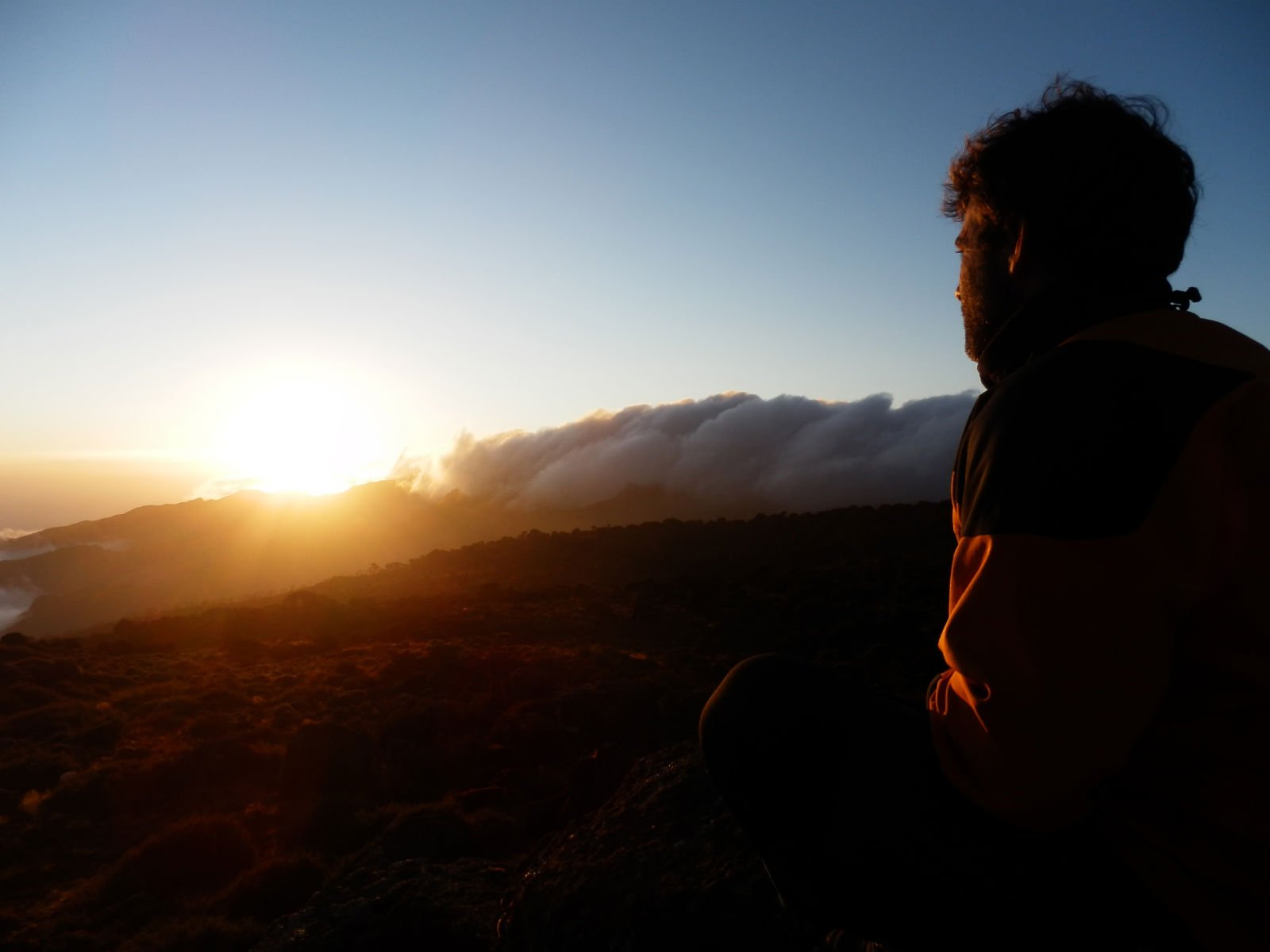
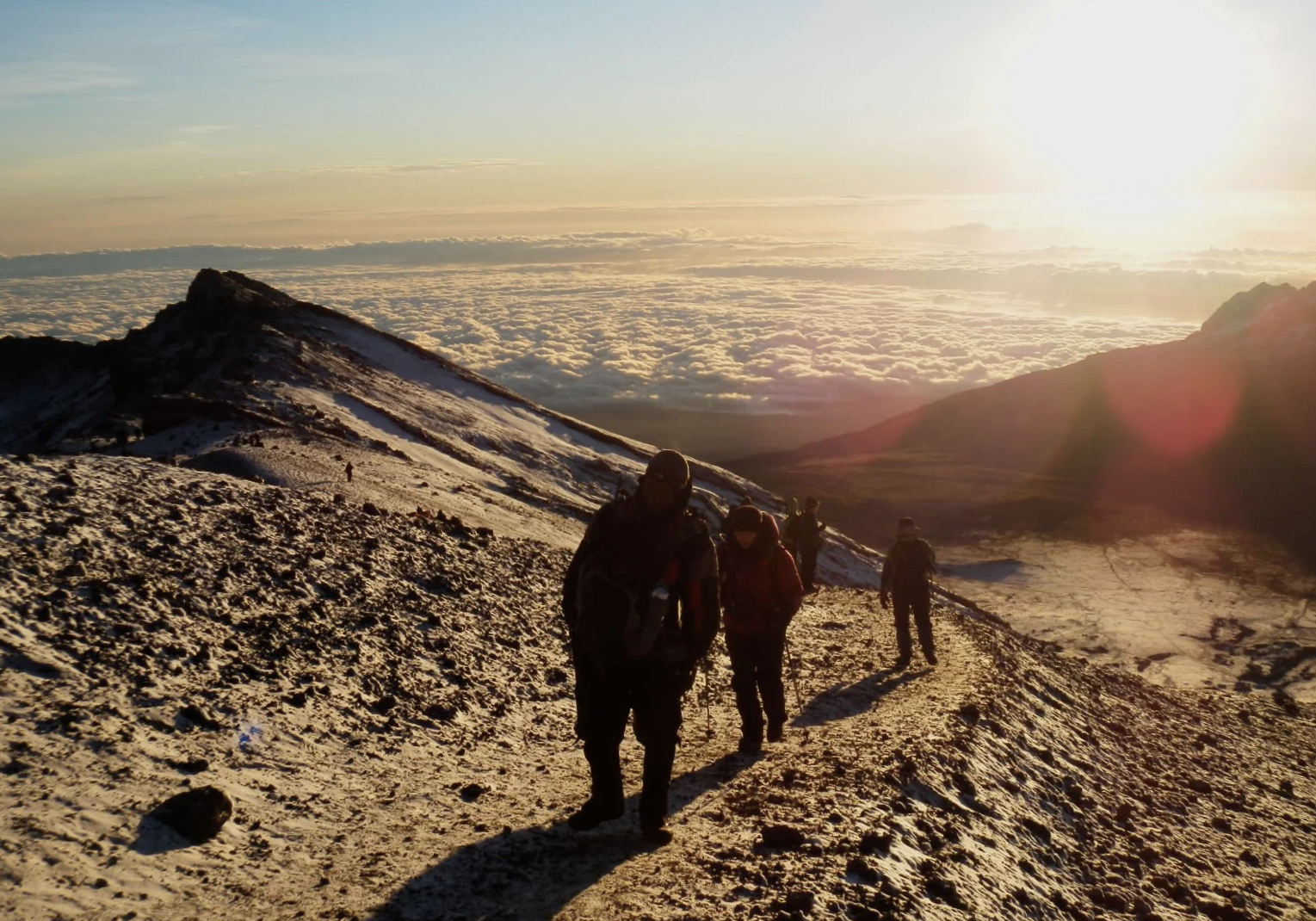
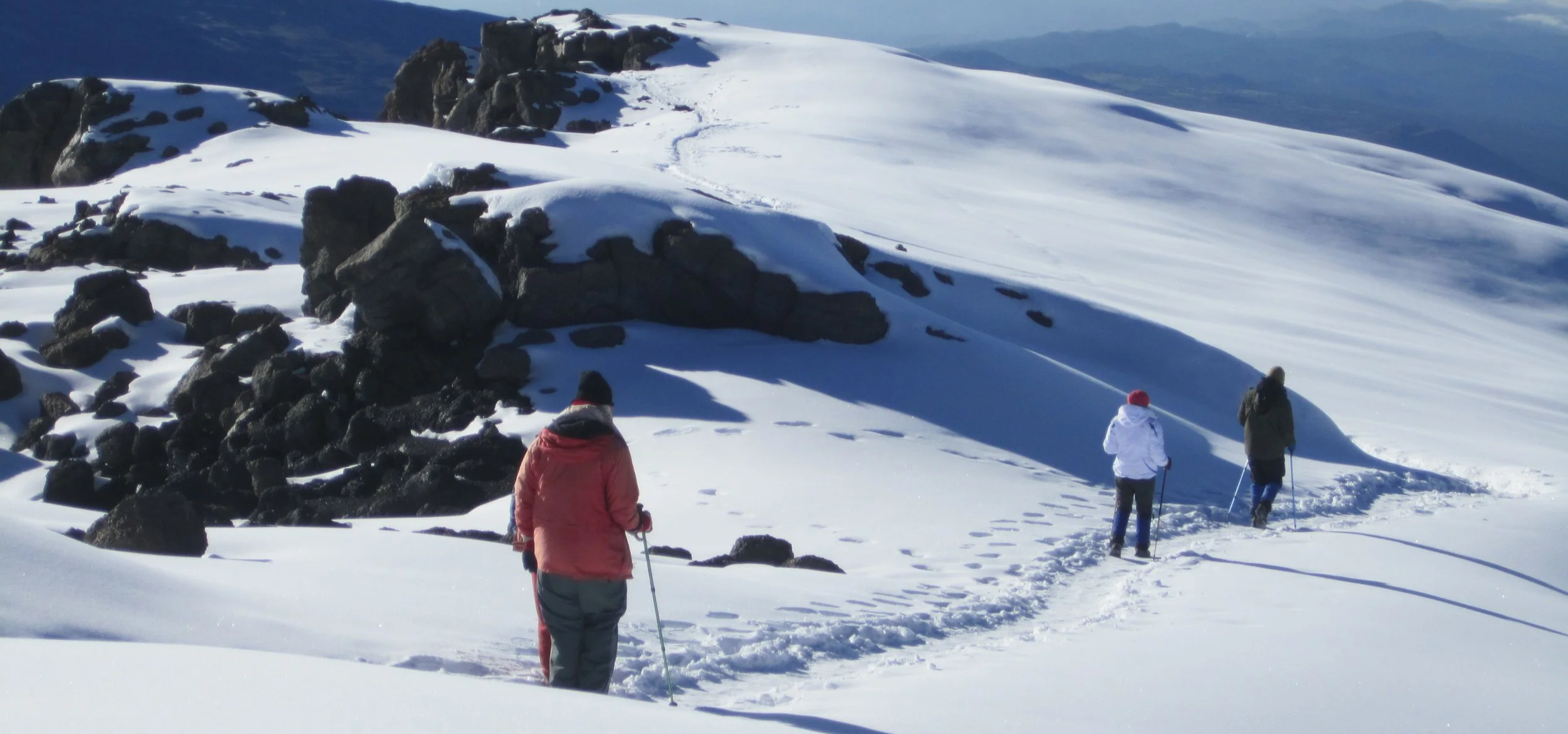
What most people underestimate is the altitude itself. The lower slopes feel manageable. The summit push, done through the night to reach Uhuru Peak at sunrise, is where thin air separates well-planned climbs from abandoned ones.
The single most important decision you'll make about this climb is how many days you allow for it.
A longer itinerary almost always means a higher chance of standing on the summit.
Misele guides have summited Kilimanjaro across all five routes, in every season, across more than a decade of climbs. We're not a large climbing operator — Kilimanjaro is one part of a wider Tanzania program — which means your climb gets the same private, guide-led attention as our safaris, rather than being slotted into a group departure you had no hand in shaping.
|
If you're not sure which route fits your timeframe, fitness level, or budget, that's exactly the kind of question we're here to answer before you book. E-mail us at travel@miselesafaris.com or use the form at the bottom of this page.
[ CLIMATE & TERRAIN ]
Four ecosystems, one mountain
Every Kilimanjaro route passes through the same four climate zones in sequence. Each climate is part of what makes it feel unlike any other trek in Africa.
1,800 - 2,800m · 10 to 20°C
Rainforest
Dense montane forest with colobus monkeys, elephant, and a thick canopy of moss and orchid. Wet and humid — waterproofs needed even in dry season.
2,800 - 4,000m · 0 to -10°C
Heath & Moorland
Giant lobelia, heather, and wild flowers. First views of the summit appear above the cloud line. Cooler nights, clear mornings.
4,000 - 5,000m · -5 to -0°C
Alpine Desert
Sparse vegetation, porous volcanic rock, and dramatic exposure. Acclimatization symptoms often appear here. Pace slows, as it naturally should.
5,000 - 5,895m · -15 to -5 °C
Arctic Zone
Ice, ash, and remnant glaciers. Oxygen at roughly half sea-level concentration. Sun protection critical; cold-weather layering essential.
[ CHOOSE YOUR ROUTE ]
Which route is right for you?
Most climbers arrive at this page already drawn to one or two routes. Here's the fastest way to confirm or reconsider that instinct matched against the four parameters that actually determine which route fits you best. The full comparison table is directly below if you want the detail.
Your time is the constraint
A.
Marangu 5-day — shortest option, lower summit odds, best if days are genuinely fixed
Marangu 6-day — adds one acclimatization night, meaningfully better odds for modest extra time
Machame 6-day — longer but one of the highest success rates available in six days
Summit odds are the priority
B.
Lemosho 8-day — most acclimatization time of any route, consistently the highest success rates
Machame 7-day — close second, more varied terrain and better crowd distribution than Marangu
Rongai 7-day — drier northern approach; quieter than Machame with strong acclimatization profile
You want to sleep in a hut instead of a tent
C.
Marangu — the only Kilimanjaro route with hut accommodation at every camp. All other routes are tents.
You want the most scenic or remote experience
D.
Lemosho — begins on Kilimanjaro's quietest side, traverses the Shira Plateau, wide open and usually less crowded
Machame — most visually varied of the busy routes, passes the Barranco Wall
Umbwe — steep, direct, dramatic, but low margins for altitude mistakes; experienced trekkers only
All five routes, side by side
Every route listed below is guided by Misele. Click through to each route page for the full day-by-day itinerary, pricing tiers, and route-specific FAQs.
ROUTE
Marangu
Machame
DAYS
5-6
6-7
ACCOMMODATION
Huts
Tents
ROUTE
Lemosho
Rongai
DAYS
7-8
6-7
ACCOMMODATION
Tents
Tents
APPROX. SUCCESS RATE
~90-95%
~80-85%
ROUTE
Umbwe
DAYS
6
ACCOMMODATION
Tents
APPROX. SUCCESS RATE
~70%
~65% (5d), ~85% (6d)
APPROX. SUCCESS RATE
~85% (6d), ~90% (7d)
High
CROWD LEVEL
High
Comfort, shorter trip, more first-timers
BEST FOR
Most popular, all-rounder, varied terrain
High
CROWD LEVEL
Low-Medium
Highest success odds; remote, scenic
BEST FOR
Drier northern side, quieter than Machame
Barafu Camp → Stella Point → Uhuru
SUMMIT APPROACH
Very Low
CROWD LEVEL
Steep, fast, dramatic - experienced trekkers
BEST FOR
Barafu Camp → Stella Point → Uhuru
SUMMIT APPROACH
Gilman’s Point → Stella Point → Uhuru
Barafu Camp → Stella Point → Uhuru
SUMMIT APPROACH
Gilman’s Point → Stella Point → Uhuru
Success rate ranges are general industry estimates and are not guarantees. Summit success rates will vary by operator, itinerary length, season, weather and individual fitness. Adding days to any route improves the odds.
[ ALL ROUTES AT A GLANCE ]
Explore each route
5-6 DAYS
Marangu Route
5 OR 6 DAYS · HUTS · MODERATE-CHALLENGING
The only hut-based route on the mountain — the right choice if sleeping in a bed rather than a tent is important to you, or if your window is genuinely tight.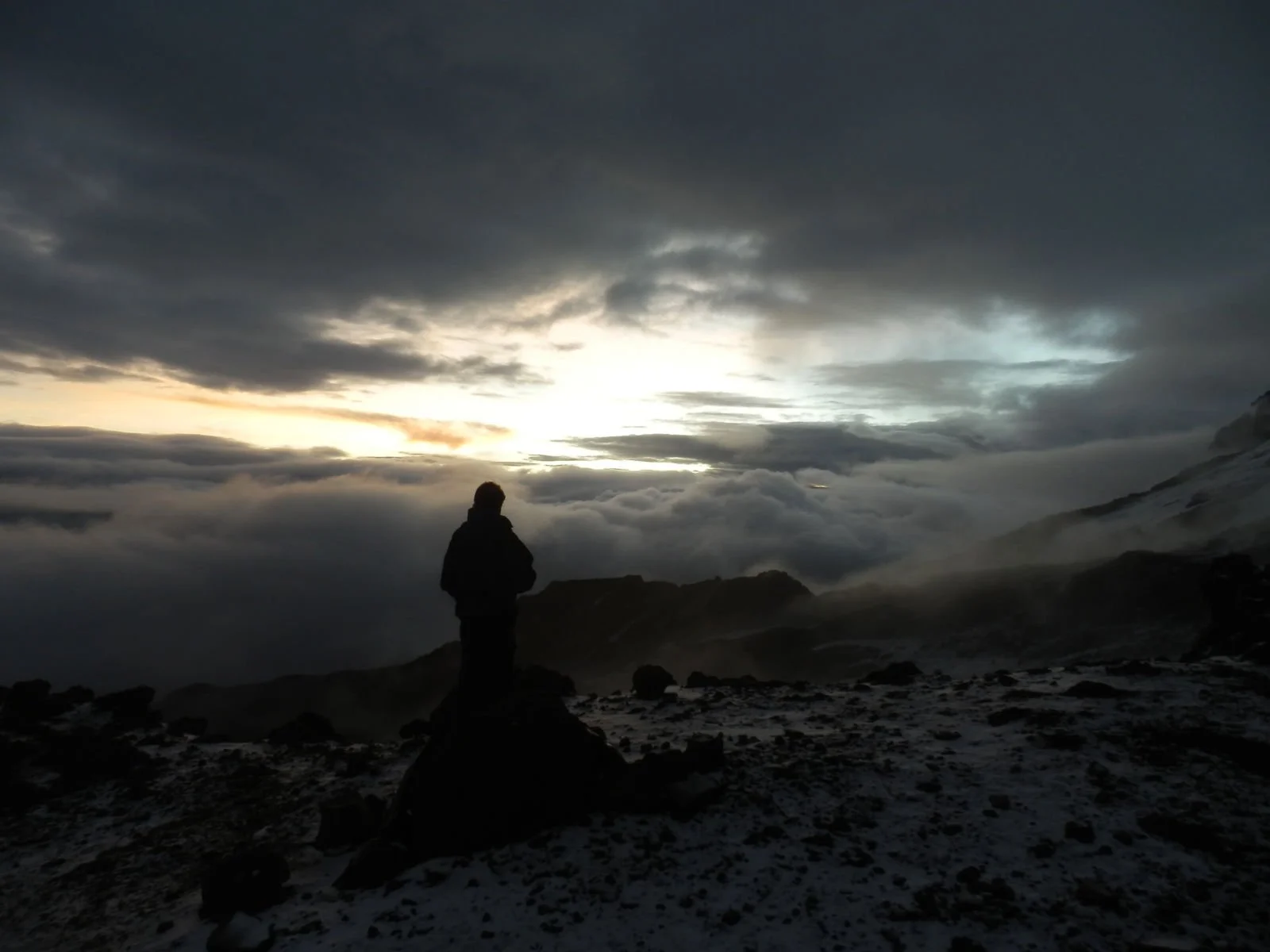
6-7 DAYS
Machame Route
6 OR 7 DAYS · TENTS · MODERATE-CHALLENGING
Kilimanjaro's most popular route for good reason — varied terrain, the Barranco Wall, and one of the strongest success rates available in six or seven days.“
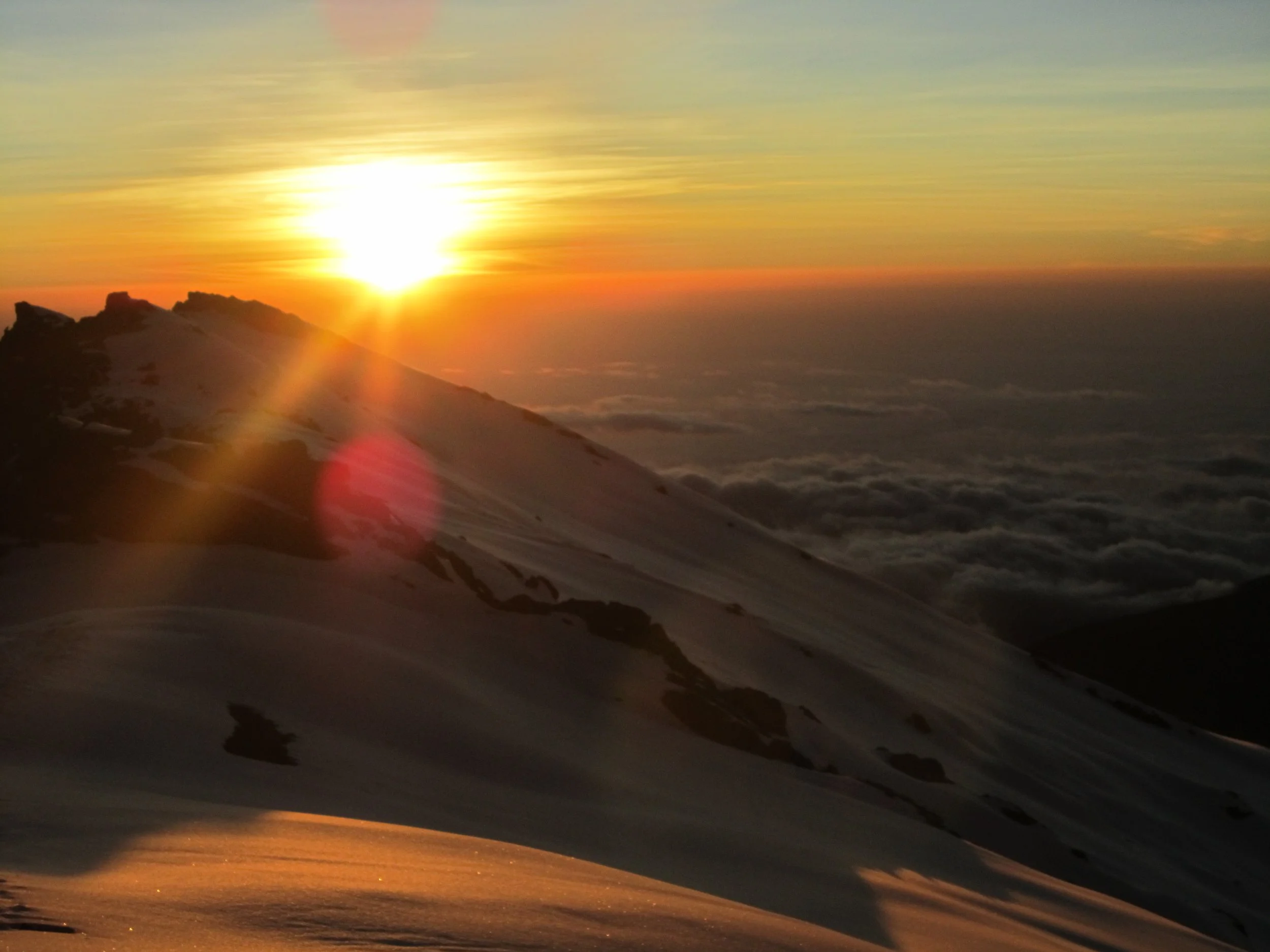
7-8 DAYS
Lemosho Route
7 OR 8 DAYS · TENTS · MODERATE-CHALLENGING
The longest and most remote approach, crossing the Shira Plateau from the west. Consistently the highest summit success rates — and the quietest experience on the mountain.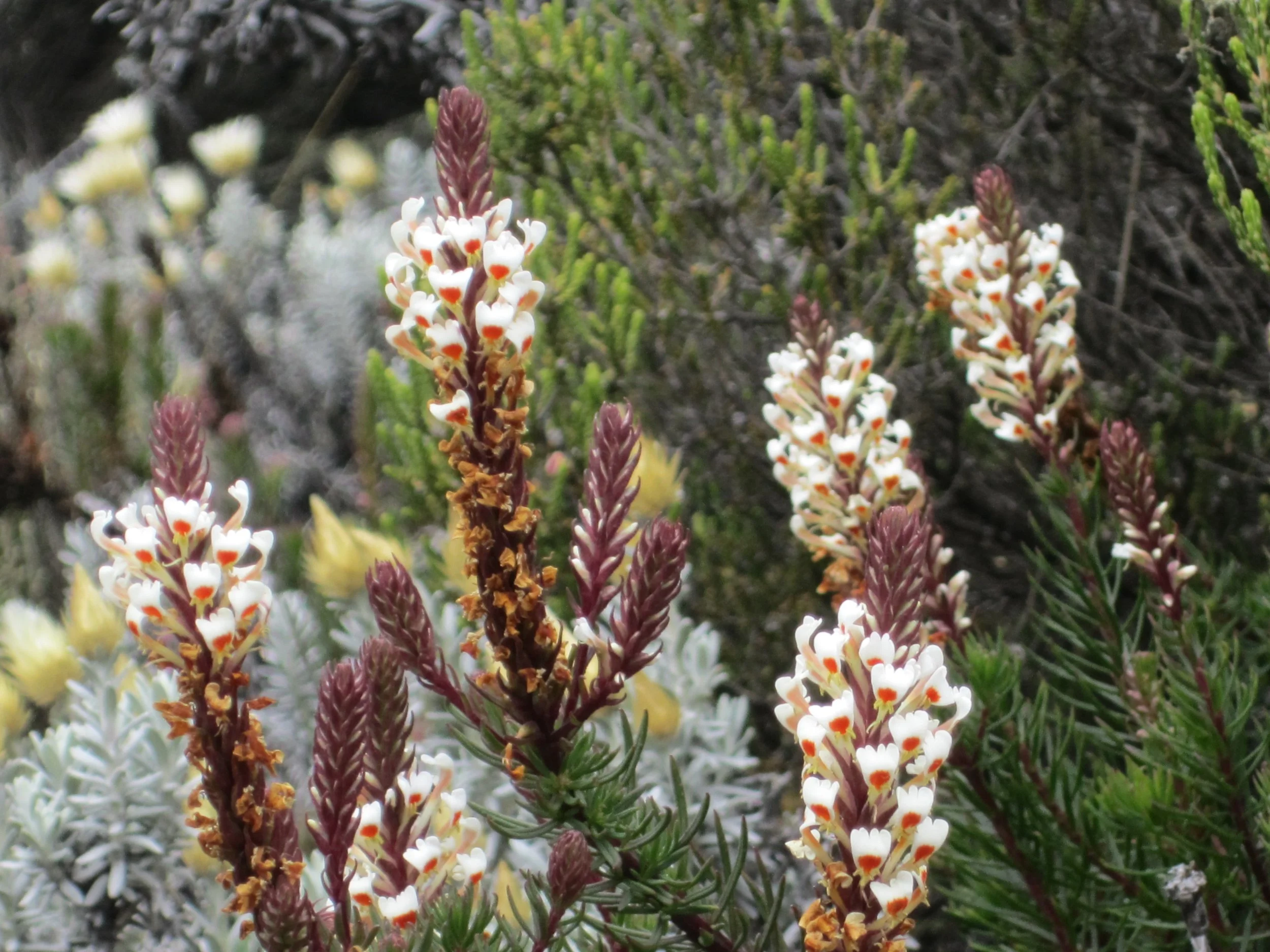
6-7 DAYS
Rongai Route
6 OR 7 DAYS · TENTS · MODERATE
Kilimanjaro's northern approach — drier, quieter, and with a different character to the more-climbed southern routes. Particularly good for climbers with limited flexibility on rainy-season timing.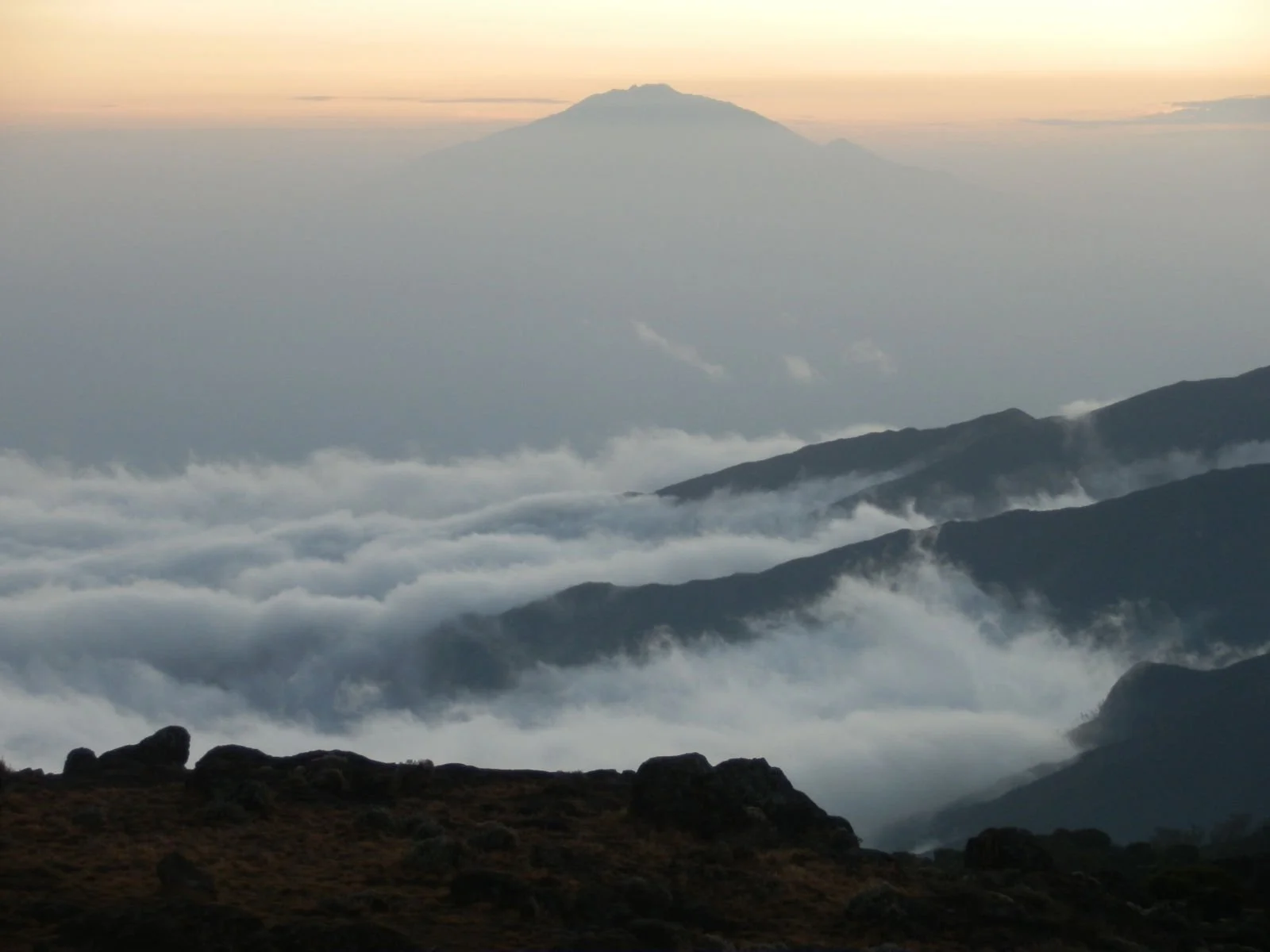
6 DAYS
Umbwe Route
6 DAYS · TENTS · CHALLENGING
The steepest and most direct line to the summit — very little traffic, dramatic scenery, and a genuine physical test. Not suitable for first-time high-altitude climbers.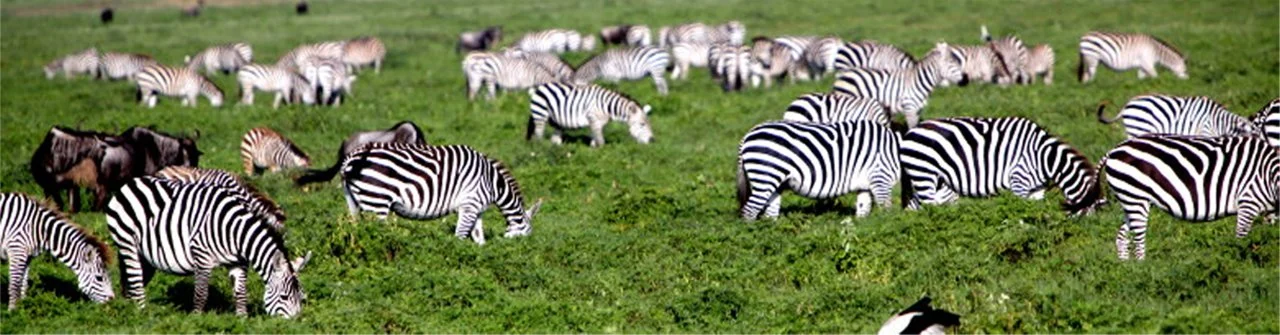
1-2 DAYS
Taste of Kilimanjaro
1 OR 2 DAYS · DAY HIKE · ENTRY LEVEL
A day hike or overnight into the lower forest zone — no summit attempt, no park hut, but a genuine first encounter with the mountain. Often paired with a safari or as a pre-climb acclimatization walk.[ WHEN TO CLIMB ]
Month-by-month: What to expect and when to book
Kilimanjaro can be climbed year-round, but two dry windows offer the most reliable summit conditions. Outside those windows, rain on the lower slopes and snow higher up are common — manageable, but worth planning around. Crowd levels follow the same seasonal curve: peak dry season means busier trails, particularly on Marangu and Machame.
MONTH
January
February
CONDITIONS
Dry, cold at altitude
Dry, cold, sometimes early rain
BEST
CLIMBING RATING
BEST
Clear skies, fewer crowds than peak season. Snow possible above 5,000 m. Good all-round window.
NOTES
Variable weather with rain on the mountain at times. Summit views often exceptional on clear days. Book 3+ months ahead.
MONTH
March
April
Transitional, snowy
CONDITIONS
Long rains, wet throughout
GOOD
CLIMBING RATING
AVOID
Early March still reliable. Long rains typically begin late month. Advise booking early-March dates.
NOTES
Heavy rain on lower slopes; snow and ice above. Trails muddy. We advise against climbing this month.
MONTH
May
June
AVOID
CLIMBING RATING
BEST
Busiest month on the mountain. Excellent summit conditions. Marangu and Machame particularly busy — book 4–6 months ahead.
NOTES
Consistently reliable. Cold nights at altitude (-15°C possible). Second-busiest month — book early.
Dry season winding down
CONDITIONS
Transitional, mostly dry
BEST
CLIMBING RATING
BEST
Slightly fewer crowds than July–August with similar conditions. Often our favorite month for a less pressured climb.
NOTES
Still really good conditions with less crowds, and warmer than July. More flexible availability than peak months.
BEST
CLIMBING RATING
FAIR
Rain typically lighter than April–May. Some climbers have excellent November climbs; others face difficult conditions.
NOTES
Early December variable; late December into the Jan–Mar window. Christmas week is popular and should be booked far in advance.
Main dry season begins. Increasingly popular. Book early. Temperatures at altitude start dropping sharply.
NOTES
Similar to April. Late May occasionally clears — contact us for current conditions if this is your only window.
MONTH
July
August
Peak dry season, cold & clear
CONDITIONS
Peak dry season
FAIR
CLIMBING RATING
BEST
Drying out, reliable from mid-month
CONDITIONS
Long rains continue
MONTH
September
October
MONTH
November
December
Short rains clearing, dry by late month
CONDITIONS
Short rains
If your travel dates fall outside the main dry windows, let us know. We’ll give you an honest read on conditions for your specific dates. Some ‘shoulder’ windows are even better than the best months above.
[ OUR CLIMBING STANDARDS ]
Your crew and how we operate on the mountain
Every Misele Kilimanjaro climb is guided by the same principles we bring to our safaris: small groups, experienced people, and decisions made in the interest of the climber rather than the schedule. Here's what that means in practice.
Certified, experienced guides
Our lead mountain guides are KINAPA-certified with a minimum of ten years guiding Kilimanjaro across multiple routes, and a consistent summit safety record. They are empowered to make the call to turn back — and they do, when they need to — without pressure to push clients beyond what's safe.
Porter welfare is a top priority
We follow KPAP-aligned standards on every climb: fair daily wages paid in full, enforced load limits (no porter carries more than 20 kg), proper cold-weather gear at altitude, and adequate food and shelter for the crew at every camp. This is standard on every Misele climb, not an upgrade or an add-on.
Safety equipment on every climb
Emergency supplemental oxygen is carried by guides on all itineraries. A comprehensive first-aid kit travels with the crew. Pulse oximeters are used to monitor blood oxygen levels throughout the climb — the most reliable early indicator of altitude sickness. Your safety briefing covers symptoms and what to do if they appear.
Private climbs, not group departures
Misele does not operate scheduled group departures with strangers. You climb with your own party, your own guide, and a crew sized to your group. The pace, the rest stops, and the decisions are made around our climbers, not a shared schedule.
Pole pole, at your pace
Pole pole means "slowly, slowly" in Swahili, and it's the most repeated instruction on Kilimanjaro for good reason. Our guides set a pace calibrated to your group's condition on that day, at that altitude. We don't have daily distance targets to hit. If you need an extra rest stop, you take one.
Leave-no-trace on the mountain
All waste generated by your crew comes off the mountain with us. We do not leave food scraps, human waste, or packaging at camps. Kilimanjaro National Park requires it; we enforce it. The mountain should look the same when you leave as when you arrived.
[ GEAR & PREPARATION ]
What to bring and what we can arrange
No technical mountaineering gear is required for any of the five routes that we guide. Every confirmed climber receives a detailed packing list tailored to their specific route and season. The overview below covers the essentials that you will genuinely need.
During travel preparation you are able to communicate directly with your climbing team in advance to check gear.
ESSENTIAL GEAR
Layered cold-weather clothing — summit temperatures can reach −15°C or below
Waterproof outer layer (jacket and trousers)
Sturdy, broken-in hiking boots rated for cold and light scrambling
Warm gloves and a balaclava or thermal hat
Headlamp with spare batteries (summit night is done in the dark)
Trekking poles — strongly recommended; available to rent
Crampons may be needed only during rainy season climbs; can be rented once here
Sleeping bag rated to at least −10°C (available to rent through us)
High-SPF sunscreen, lip balm, and UV-protection sunglasses
2–3 liter water capacity; insulated flask for summit night
WHAT YOU DON’T NEED
Ice axe or technical climbing equipment (no routes require them)
Ropes or harnesses
Altitude medication (Diamox) — discuss with your doctor before travelling, not something to self-prescribe on the mountain
Heavy camera equipment is not recommended. A phone camera handles most conditions
|
Sleeping bags, trekking poles, and gaiters can be rented through us in Moshi or Arusha. Ask when you book.
[ FAQs ]
Kilimanjaro General FAQs
Route-specific FAQs (success rates by itinerary length, huts vs. tents, pairwise comparisons) are answered on each route page. These cover the questions that apply to Kilimanjaro regardless of which route you take.
-
No technical mountaineering experience is required for any of the routes Misele offers. Every route is a trek — a long walk at high altitude, not a technical climb involving ropes, harnesses, or specialist equipment. What you do need is reasonable cardiovascular fitness, the willingness to move slowly and patiently, and an honest assessment of how your body responds to altitude. If you've done multi-day hiking before, you have the physical foundation. The altitude is the variable.
-
Fit enough to walk 6–10 km at a very slow pace for 6–8 hours on consecutive days, carrying a day pack of 5–8 kg. That's the daily demand on most routes. The summit push at the end is harder with longer hours at night, broken sleep, thin air. The physical intensity stays modest. We'd rather you tell us honestly about your fitness and health than book a route that doesn't fit. We ask about both during the planning conversation.
-
Altitude sickness (acute mountain sickness, or AMS) is caused by ascending faster than your body can adjust to lower oxygen levels. It's not related to fitness, age, or experience. Headache, nausea, fatigue, and disrupted sleep are the most common early symptoms. Our guides monitor blood oxygen levels with pulse oximeters throughout the climb. Mild symptoms are managed with rest and a slower pace; if symptoms worsen or blood oxygen drops to concerning levels, descent is the only correct response. The right question to ask any operator is not "has this ever happened to your clients" but instead "what do you do when it does."
-
Travel insurance that specifically covers high-altitude trekking (most standard policies exclude anything above 4,000 m) and, importantly, emergency helicopter evacuation. The evacuation coverage is most important: a helicopter rescue from altitude can cost $10,000–$30,000 USD without insurance. Policies from providers like World Nomads, Battleface, or specialist adventure travel insurers typically cover Kilimanjaro if you declare the altitude. We require confirmation of appropriate insurance from every climber before departure.
-
Tips are not included in climb pricing and are a meaningful part of crew appreciation and is considered standard practice. The widely followed guideline is roughly USD 20–25 per climber per day for the full crew (distributed by the lead guide across guides, cooks, and porters), though groups tip more or less depending on the experience. On a 6-day climb with two climbers, that's roughly USD 240–300 in tips for the group. We'll send a tipping guide when you confirm your booking so there are no surprises.
-
It is one of the most requested combinations we plan, and the logistics work well. Kilimanjaro and the northern safari parks share the same gateway (Arusha or Moshi), so there's no extra flying involved. Most climbers build in 1–2 rest days after descending before heading into the parks. Zanzibar makes a natural ending to the trip. We handle both sides — the climb and the safari — as a single planned itinerary, with accommodation and transfers connected throughout.
-
Kilimanjaro National Park sets a minimum age of 10 years for summit attempts. Children aged 10–15 require written consent from a parent or guardian. We ask families to let us know in advance about a child's trekking experience before booking. The altitude demands are real regardless of enthusiasm, and we'd rather plan the right route than have a child turned around on summit night.
Start planning your Kilimanjaro climb
Tell us your timeframe, fitness level, group size, and any questions, and we can recommend the route that actually fits. Have a real conversation with the Misele Team. We will reply within 24 hours.
Your details are never shared. We respond personally, usually within a few hours.
Kilimanjaro + Tanzania safari in one trip
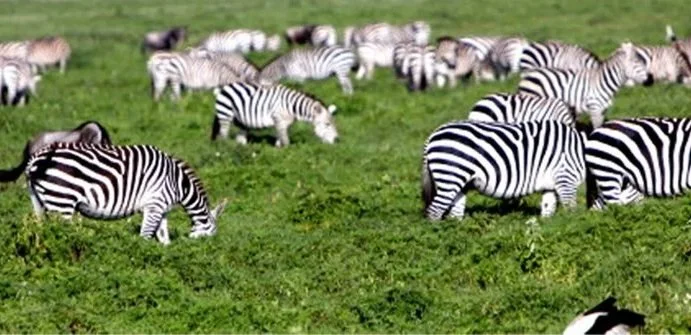
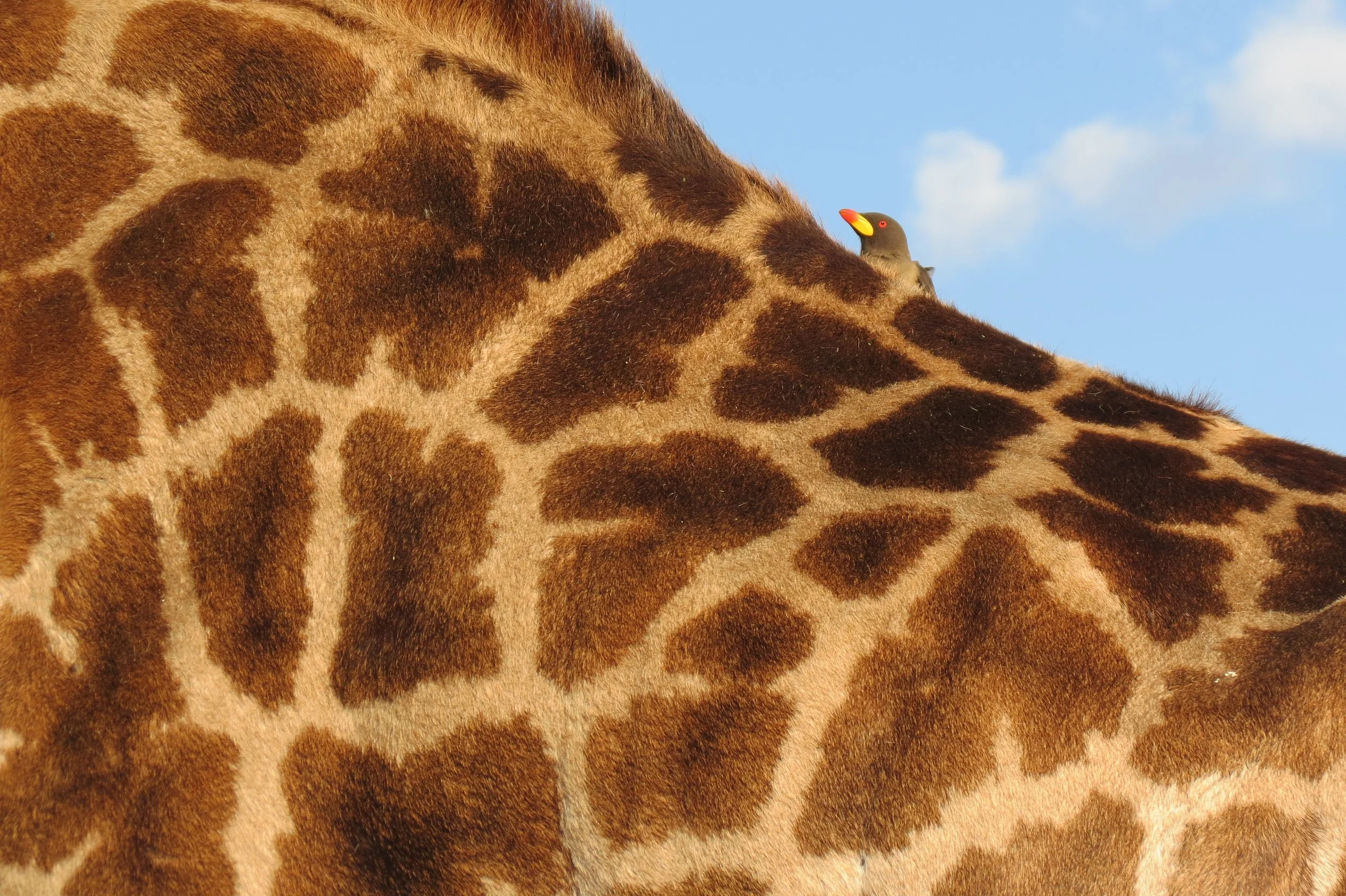
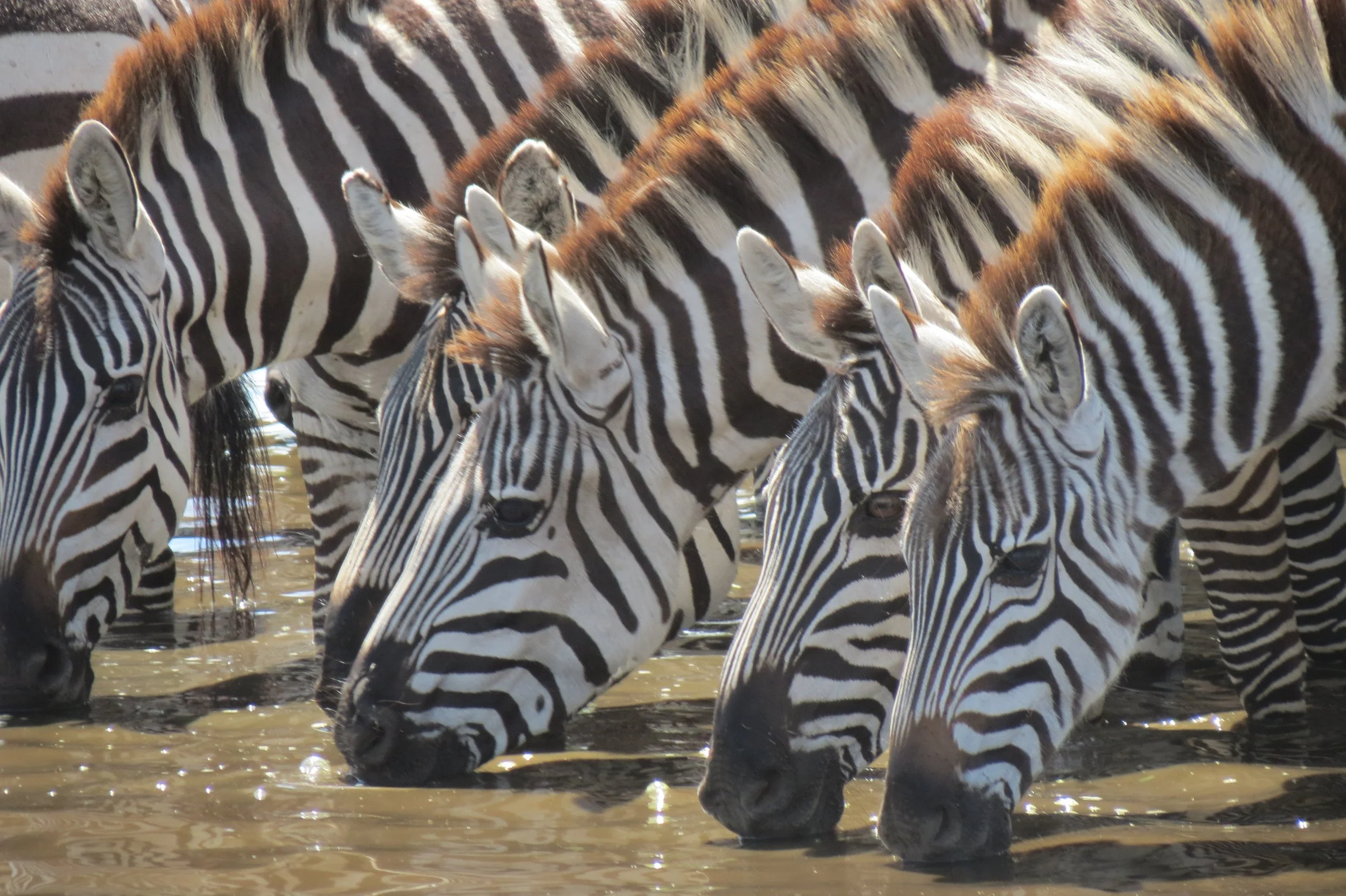
Most climbers add 3–7 days in the northern parks after descending from Kilimanjaro. Consider a well deserved safari treat to Serengeti, Ngorongoro, or Tarangire. We plan the full itinerary: the climb, the safari, the transfers, and the hotel nights in between. You arrive, we handle the rest.
Classic Wildlife 7 Days
Custom Safari Any Duration